01 Design Background
The octopus has a complex brain structure and nervous system, which makes it an ideal model for studying human emergency responses. Using brain-computer interface technology, this project combines the neural responses and behavioural feedback of an octopus with human emotional states, aiming to create an interactive device to help understand and visualise these emotions and decision-making processes.
Pensive
Daring
Fascinated
Stimulated
Amused
Extravagant
Delightful
Bashful
Stupid
Miserable
Inadequate
Inferior
Apathetic
Relaxed
Responsive
Serene
Sentimental
Thankful
Confident
Intelligent
Worthwhile
Valuable
Satisfied
Cheerful
Bewildered
Discouraged
Insignificant
Weak
Foolish
Embarrassed
Skeptical
Irritated
Furious
Frustrated
Selfish
Jealous
Content
Excited
Sexy
Energetic
Playful
Creative
Aware
Guilty
Ashamed
Depressed
Lonely
Bored
Sleepy
Thoughtful
Intimate
Loving
Trusting
Nurturing
Faithful
Important
Hopeful
Appreciated
Respected
Proud
Rejected
Confused
Helpless
Submissive
Insecure
Anxious
Critical
Hateful
Rage
Angry
Hostile
Hurt
Peaceful
Joyful
Sad
Mad
Scared
Powerful

W
h
y
O
c
t
o
p
u
s
?
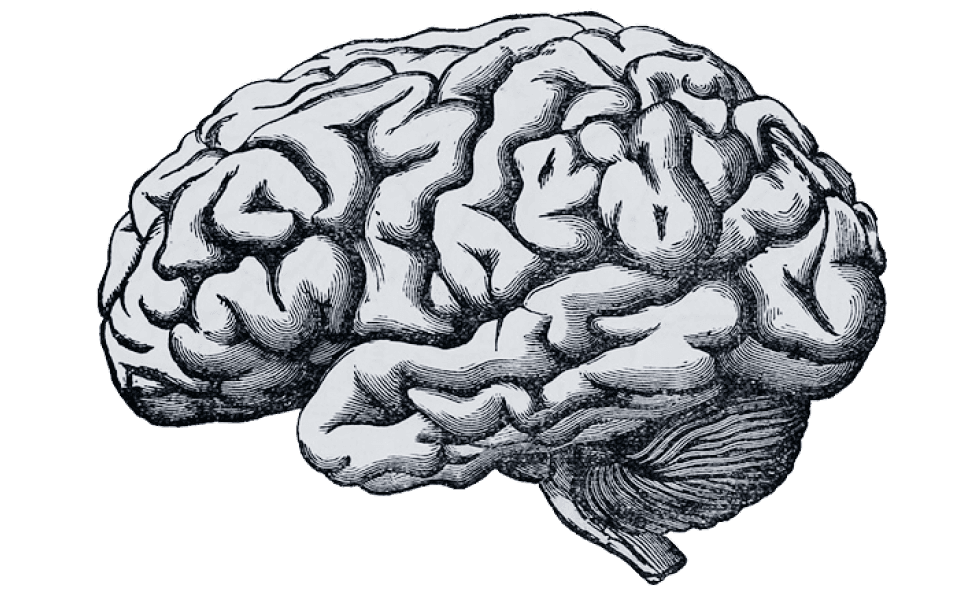
Human Brain
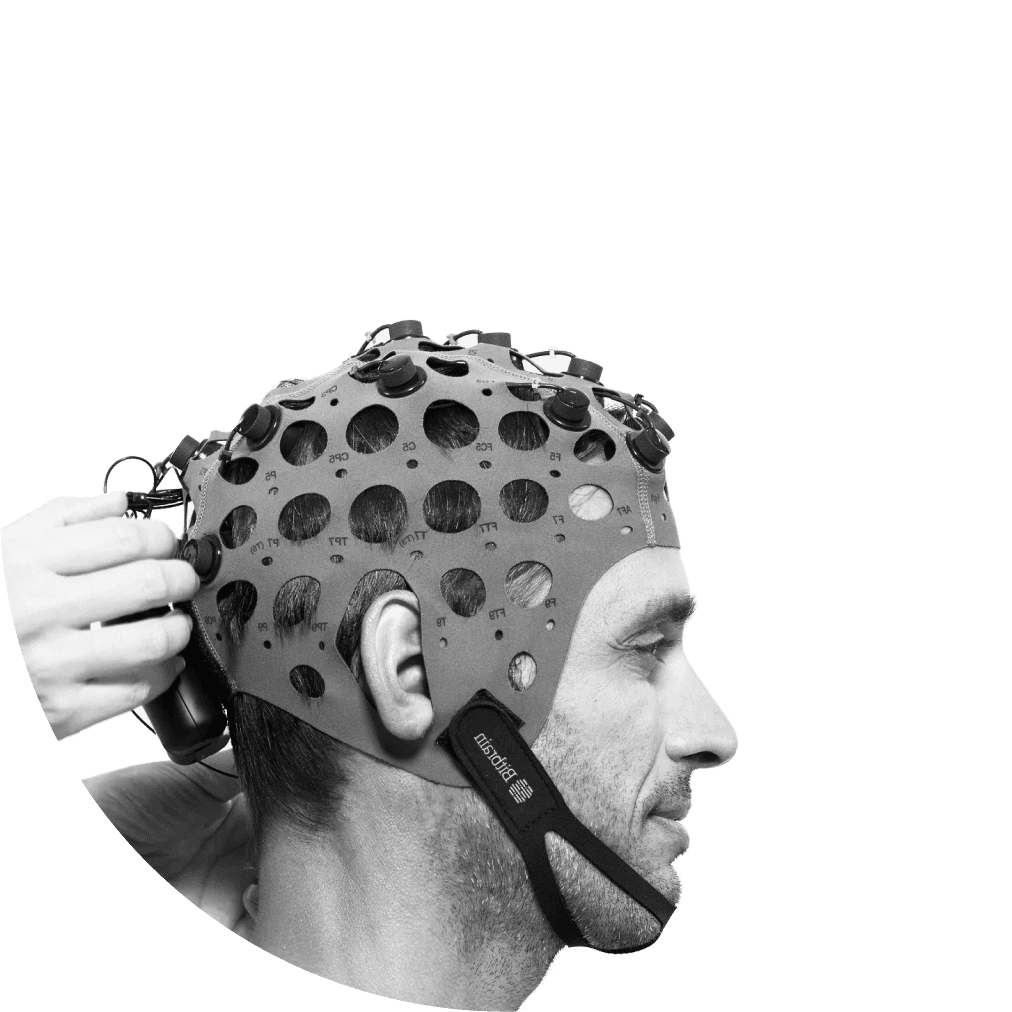
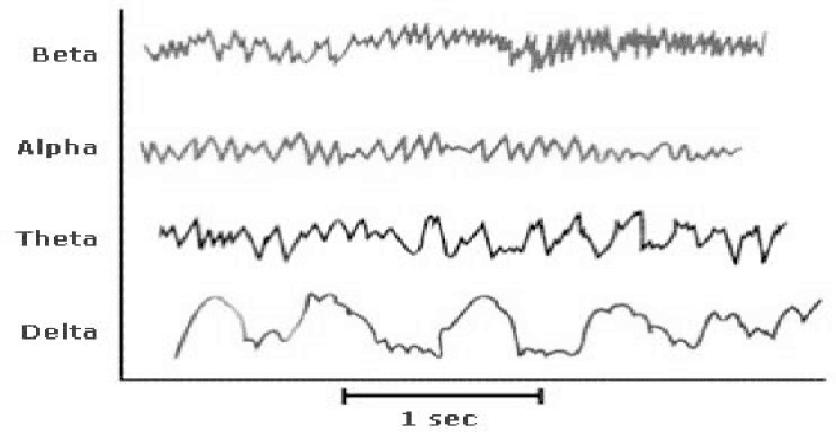
Electroencephalogram (EEG)
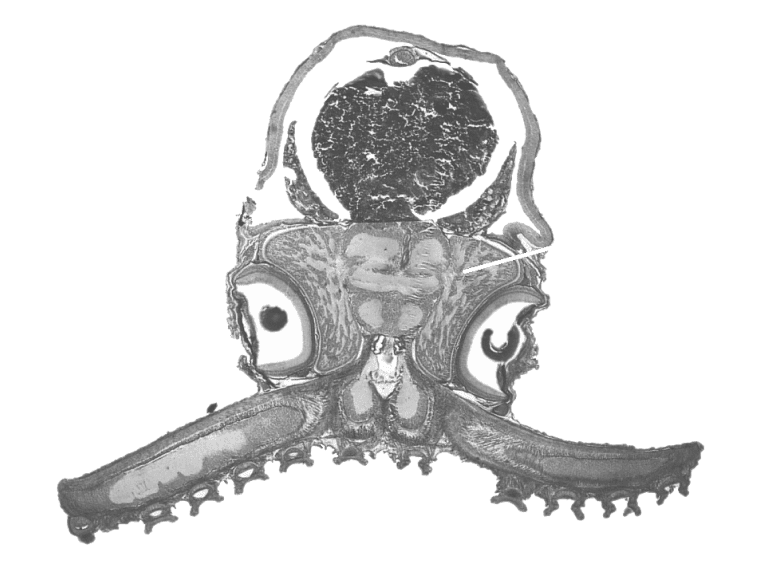
Octopus Brain
Main Reactions of Octopus
Main Reactions of Human
Human Brain Wave Band
Emergency
Brain & Behavioral in Octopus & Humans
The structure and function of the brain show a very high complexity and a highly centralized and decentralized structure of the nervous system.
In the face of emergencies, people usually experience a series of complex emotional responses, which directly affect the decision-making process and behavioral choices.











The adaptability and instantaneous
responsiveness demonstrated by the
octopus provide insightful biological
models for understanding how we make
decisions in the face of emergency situations.
Octopuses use their advanced sensory organs to process environmental information in their tentacles and brain, enabling them to make quick decisions and respond effectively through actions like changing color or releasing ink.
4-8 Hz
8-13 Hz
13-30 Hz
theta waves
alpha waves
beta waves
Combining a neural network simulation of an octopus with the emotion of fear between human behaviors provides us with a unique perspective to understand and express the emotional motivations behind everyday behaviors.
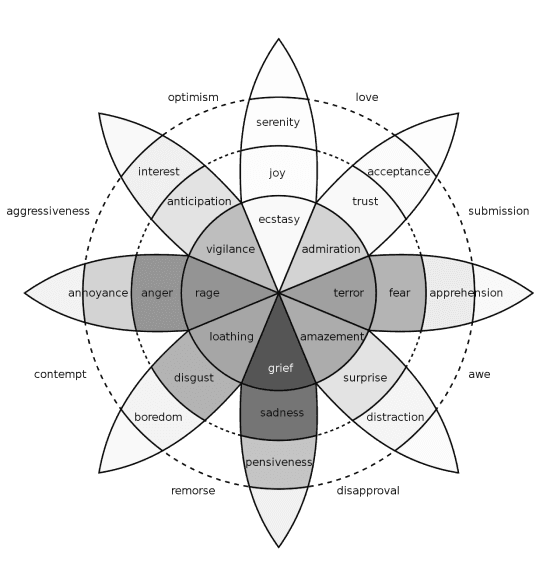
P
l
u
t
c
h
i
k
'
s
W
h
e
e
l
o
f
E
m
o
t
i
o
n
Why explore emotional responses in emergency situations?
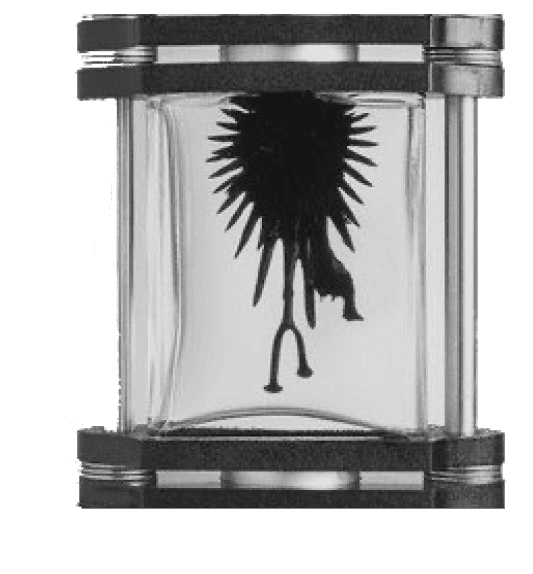
F
e
a
r
C
u
r
i
o
s
i
t
y
T
e
n
s
i
o
n




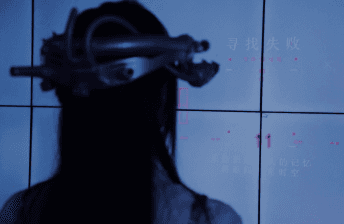
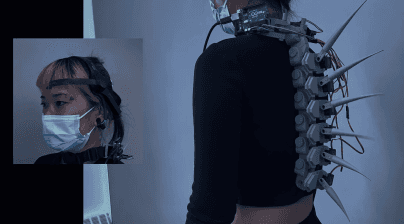
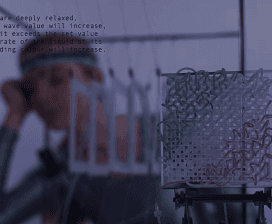
A wearable EEG device
Help people with Alzheimer's disease
An outward reaction to an internal emotion
Dynamic textile installation
Emotiv Epoc headset
Design Case



Surprise


Fear
Confusion
Nervousness
Understanding emotional responses in emergencies helps improve training for responders, enhance decision-making under stress, and develop support systems for trauma victims, fostering more effective and organized crisis management.