Omi
2025/9- 2025/12
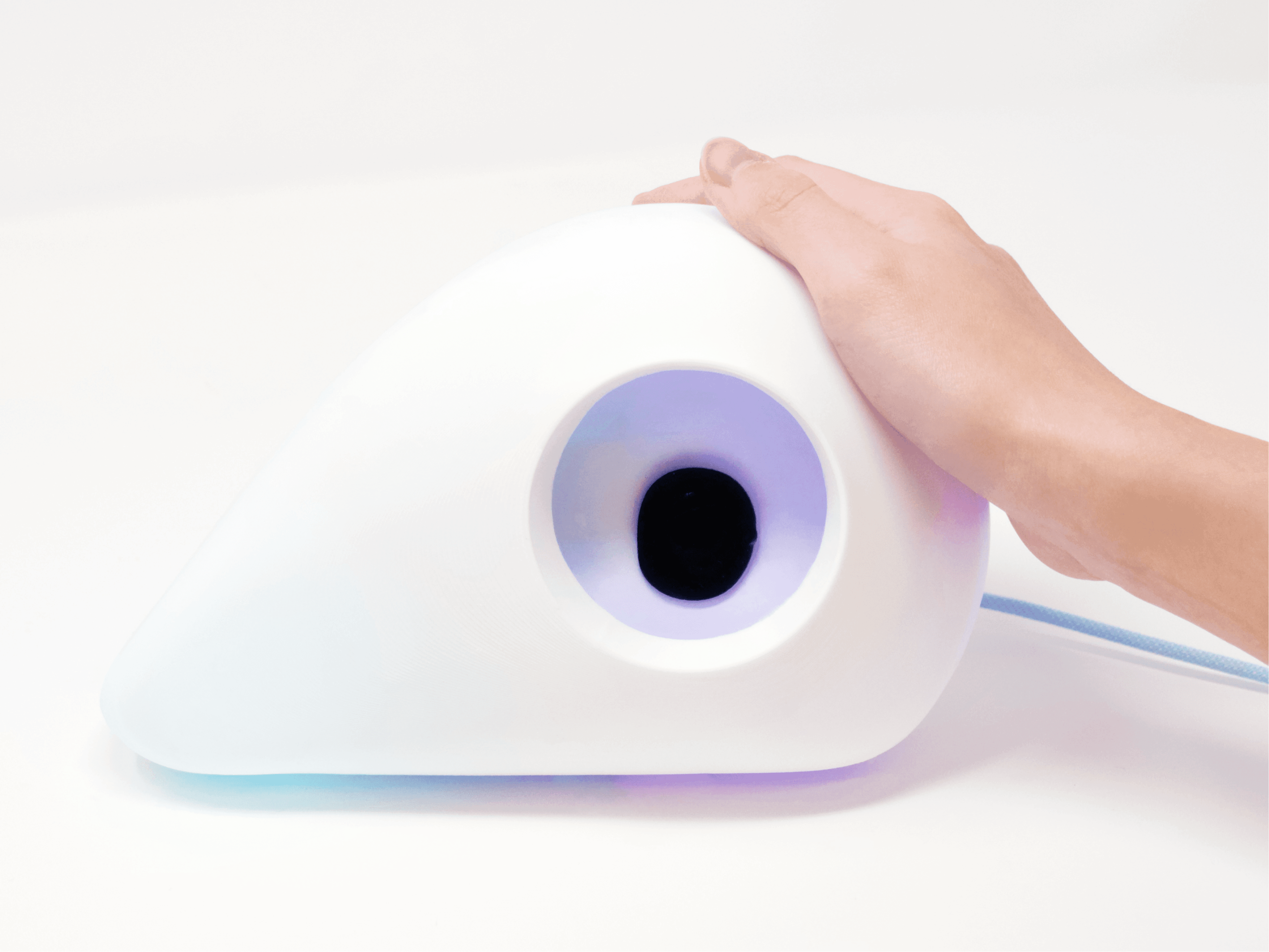
A paired device for long-distance partners that turns touch into light and motion, sharing quiet moments across distance.
TEAM OF 2 | ROLE: INTERACTION DESIGN · PROTOTYPING · CODING
Type
Interaction Design
Product Design
SUMMARY
Problem — Long-distance relationships lack subtle, everyday ways to feel each other’s presence.
Approach — Designed a pair of connected devices that translate touch into synchronized light and movement.
Outcome — Creates a quiet, ambient sense of closeness across distance.
Problem
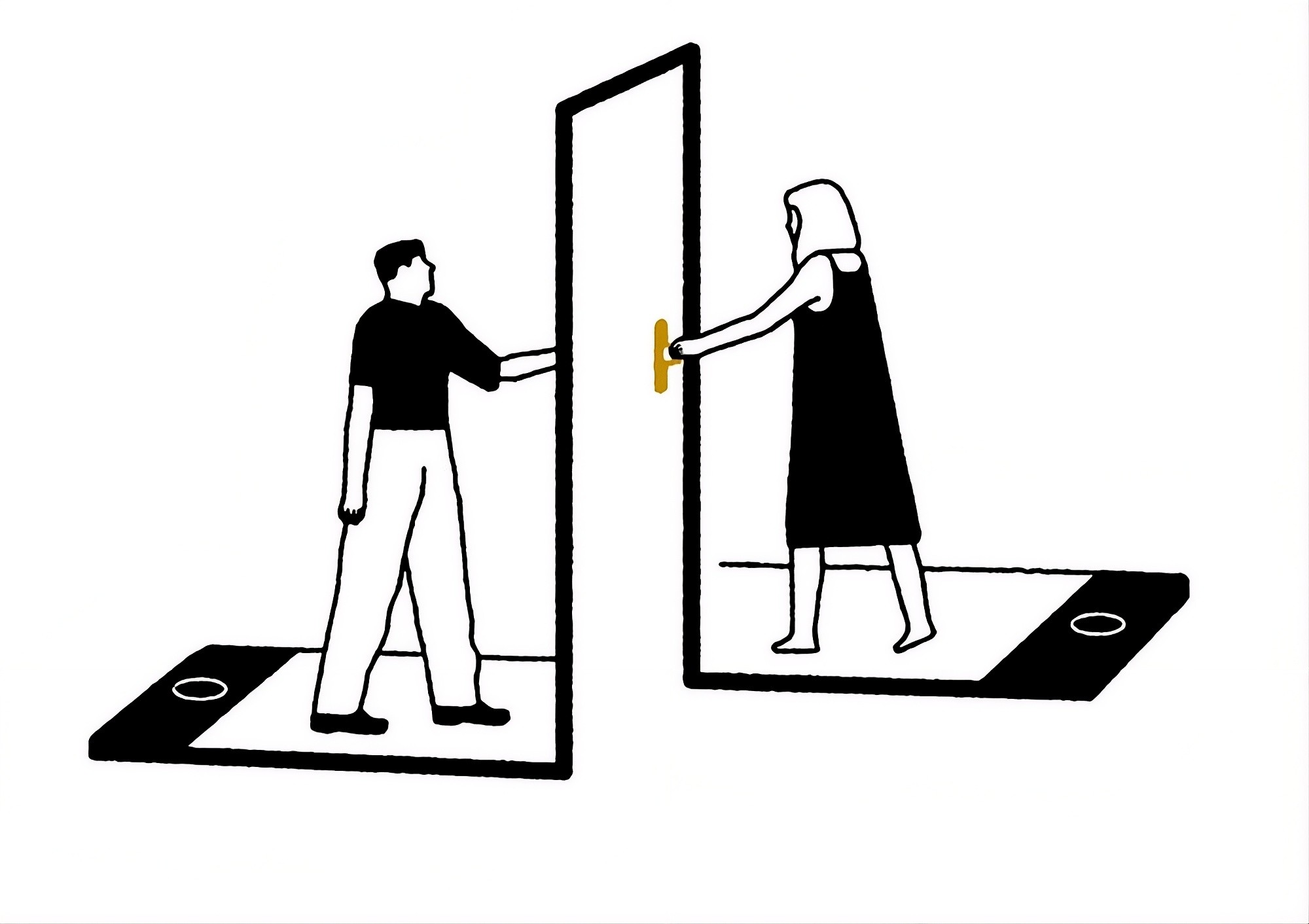
Long-distance relationships challenge emotional presence.
Research suggests that millions of couples worldwide maintain long-distance relationships, relying primarily on messaging and video calls. While these tools enable communication, they demand attention and can feel effortful over time. Physical objects, on the other hand, provide only one-sided comfort.
The real issue is not a lack of communication, but the absence of subtle, continuous ways to feel connected without effort.
PROCESS
A quick look at the process behind the project.
Exploration
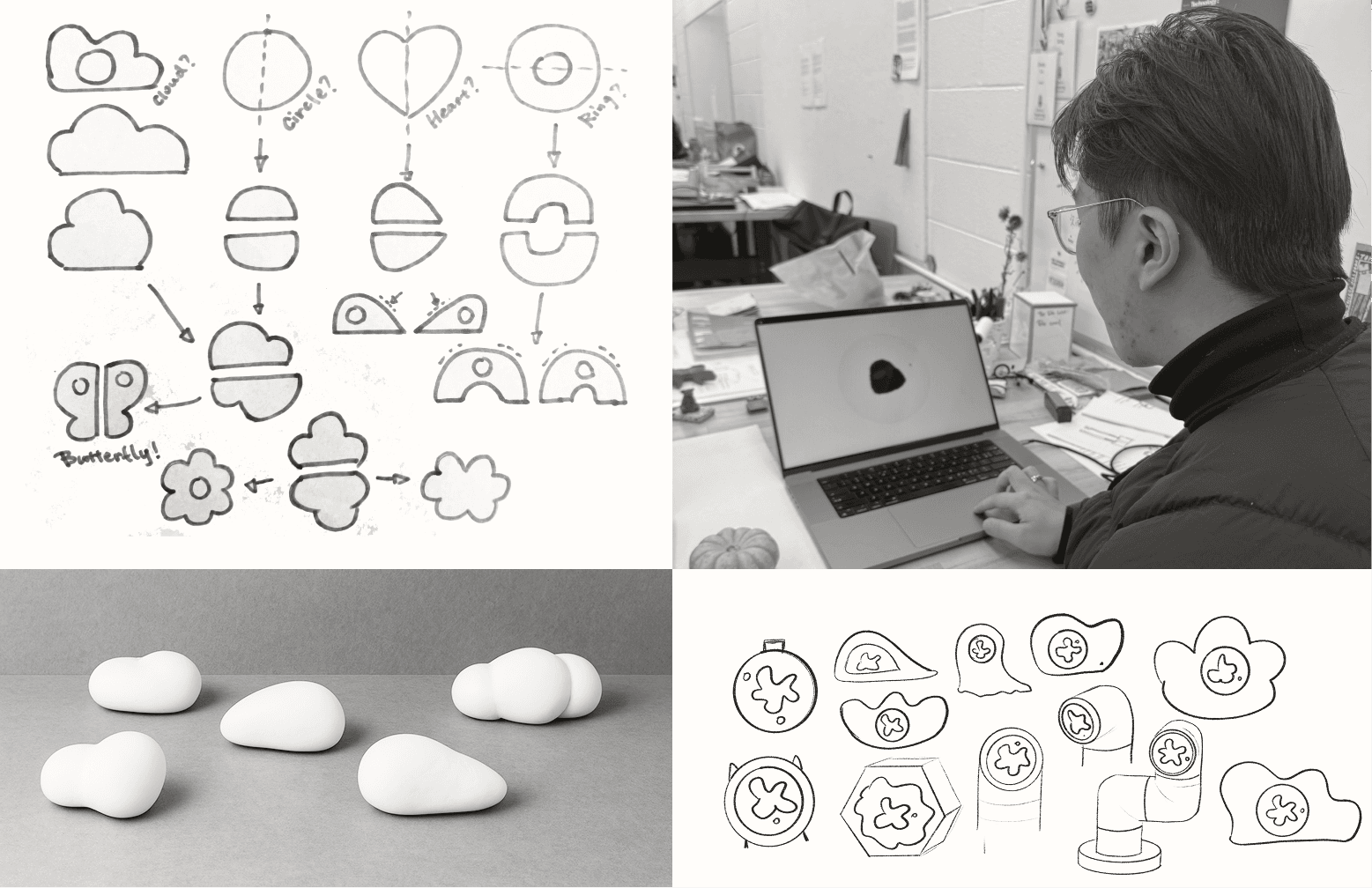
We explored how emotional connection could be expressed through form, material, and movement.
Early studies referenced natural forms such as stones and clouds, focusing on soft, familiar qualities that evoke care, warmth, and closeness.
We then introduced ferrofluid to amplify motion and responsiveness, testing how it could be integrated within different forms. A web-based simulation was also developed to explore gesture-based interaction and evaluate how movement could convey a sense of presence.
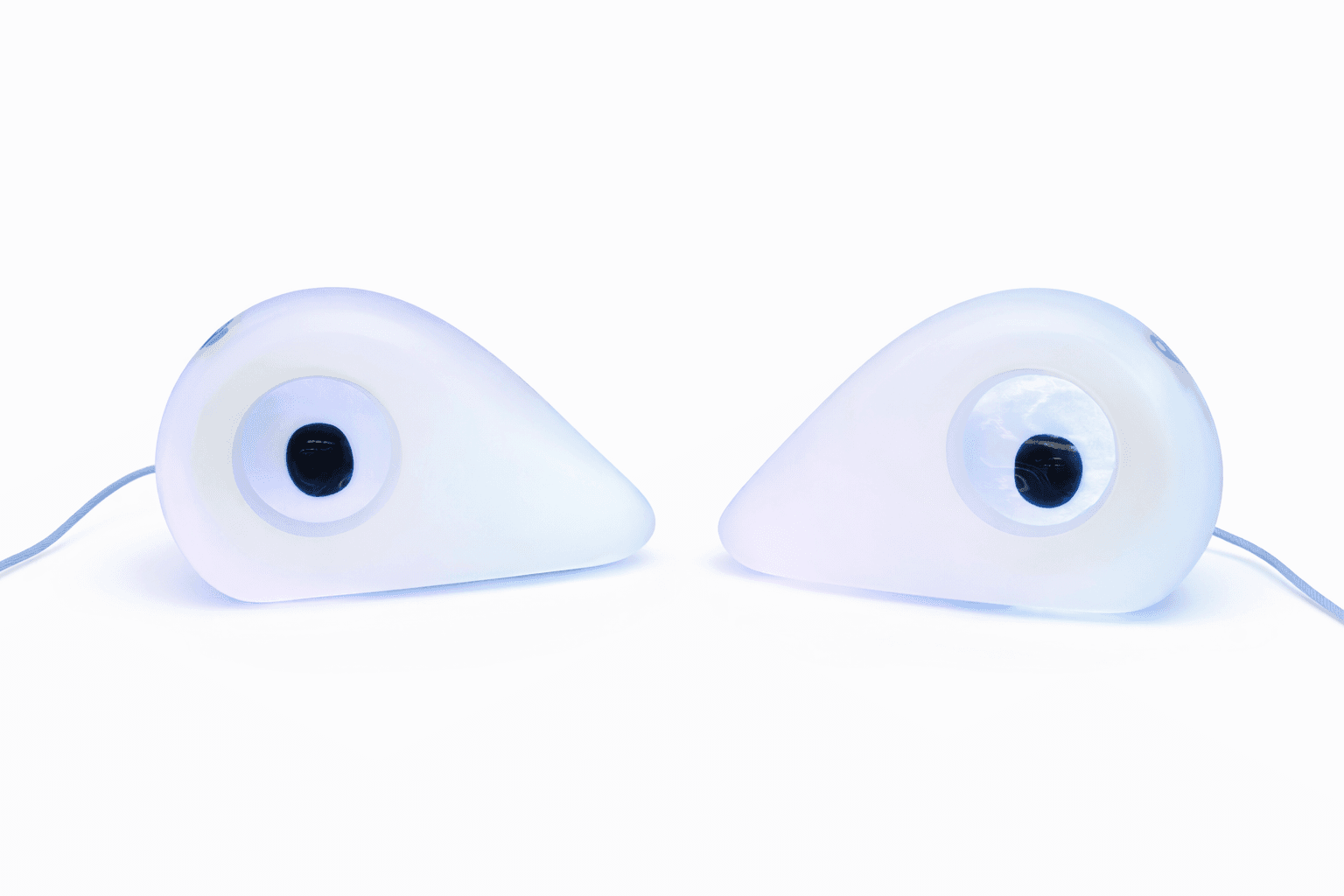
Guided by these explorations, we defined the object as a paired system—two independent forms that naturally fit together, creating a shared and meaningful representation of connection.
Prototyping
We translated early explorations into physical and interactive prototypes to test form, comfort, and responsiveness.
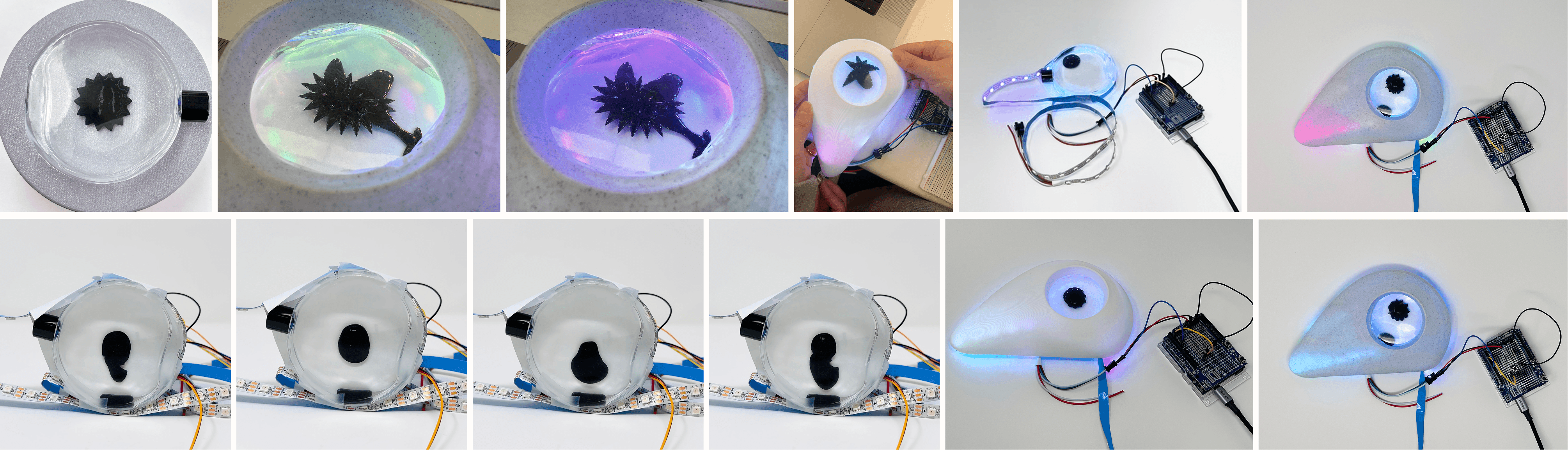
Clay modeling and 3D printing were used to explore ergonomics, surface texture, and internal structure, while accommodating components such as ferrofluid chambers and electronics.
In parallel, we built functional prototypes to test gesture-based interaction, including touch sensing, light feedback, and ferrofluid movement, allowing us to evaluate how physical responses could convey emotion and presence.
Testing
We conducted user testing to evaluate ergonomic comfort and natural hand gestures.
18 participants were invited to shape clay into the form that felt most comfortable in their hand. We documented individual gestures and contours, then overlaid the results to identify a shared curvature.
This process revealed a consistent, intuitive arc that informed the final form, ensuring the object feels natural, comfortable, and aligned with how people instinctively hold and interact with it.

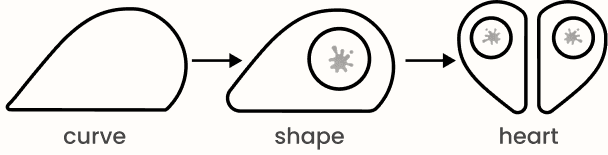
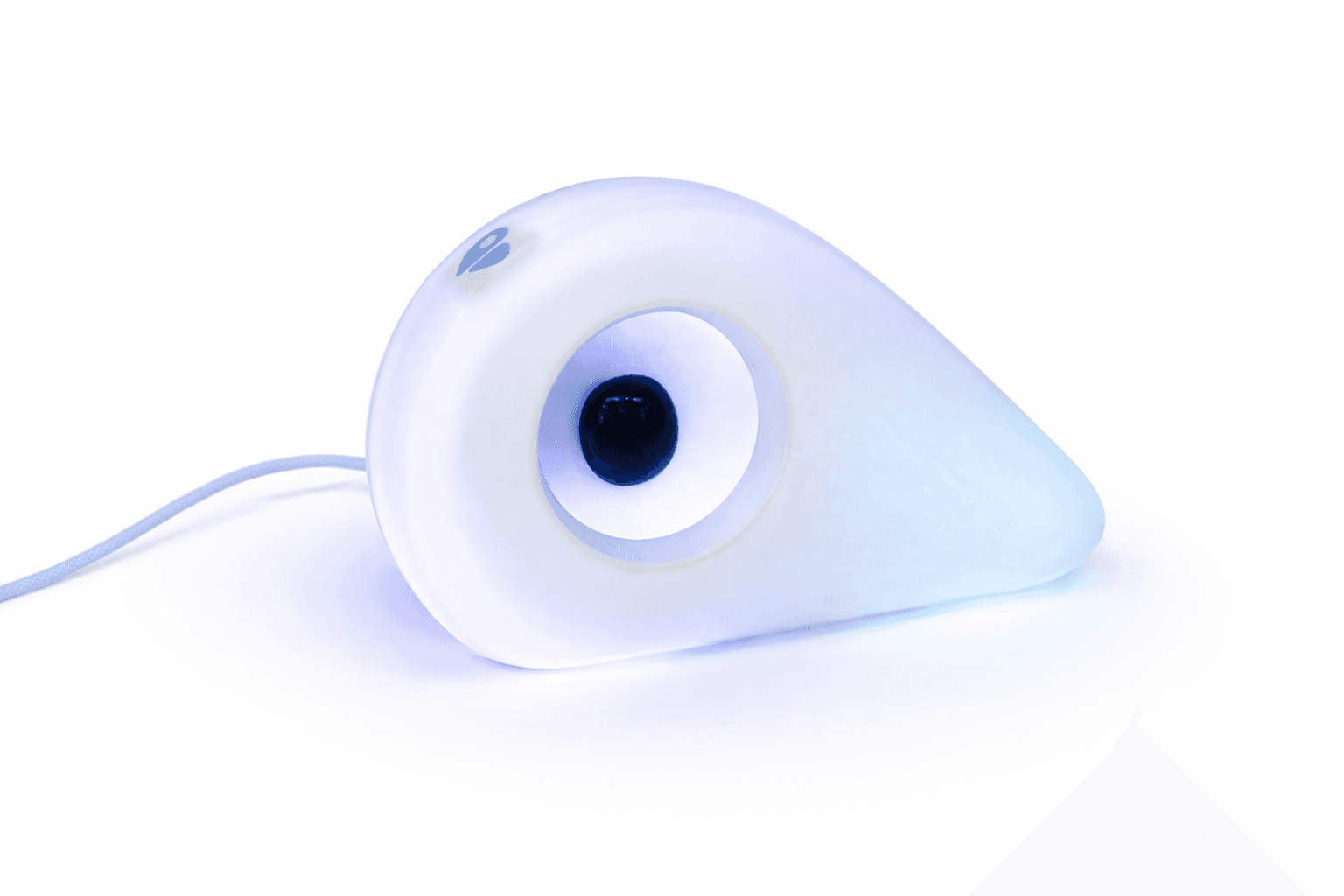
We translated user-tested ergonomic curves into the final form, ensuring it feels natural, comfortable, and intuitive to hold.
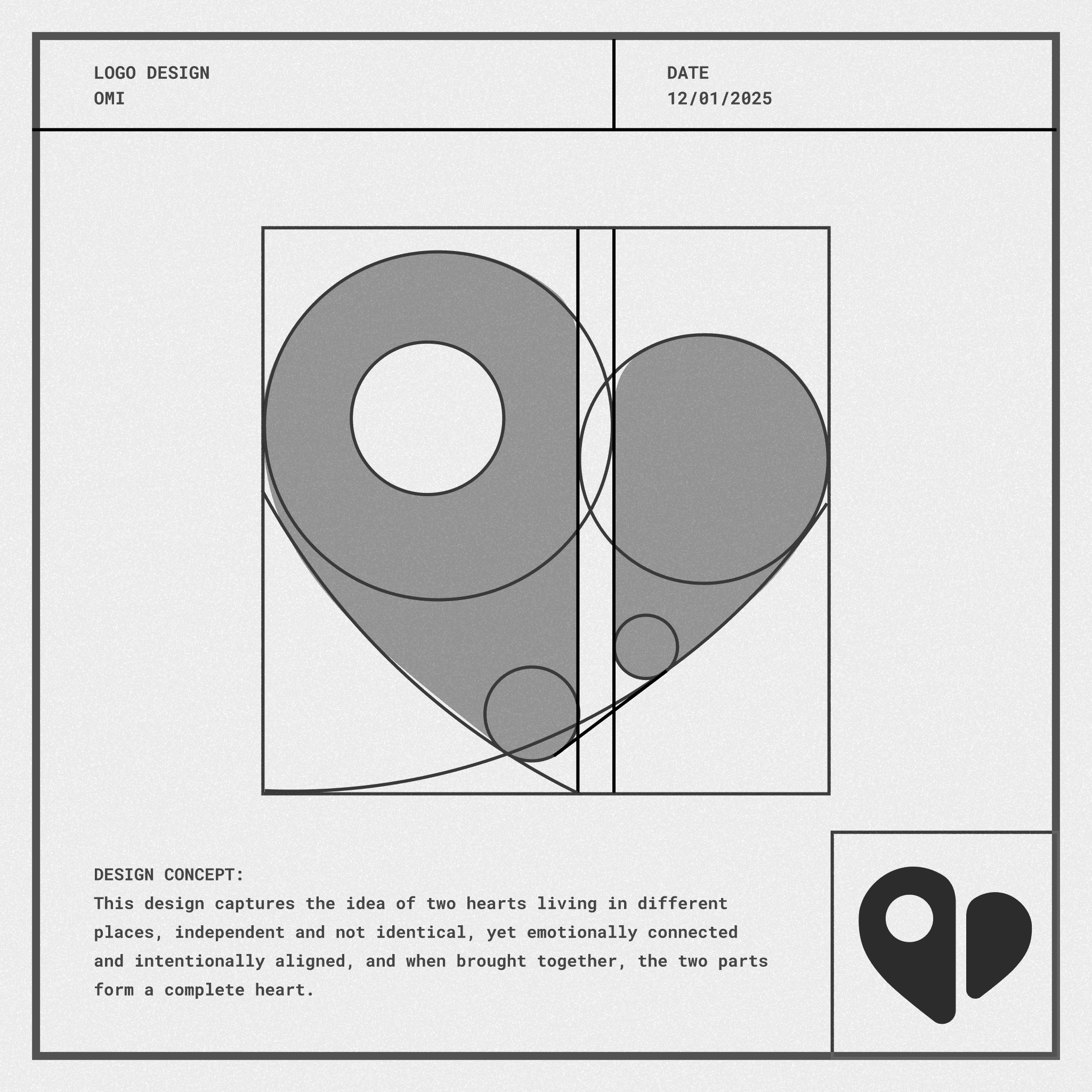
Beyond comfort, the form carries meaning. A single continuous gesture becomes a complete object, and when divided into two, it forms a paired system—a subtle expression of closeness and emotional connection.
How it works ?
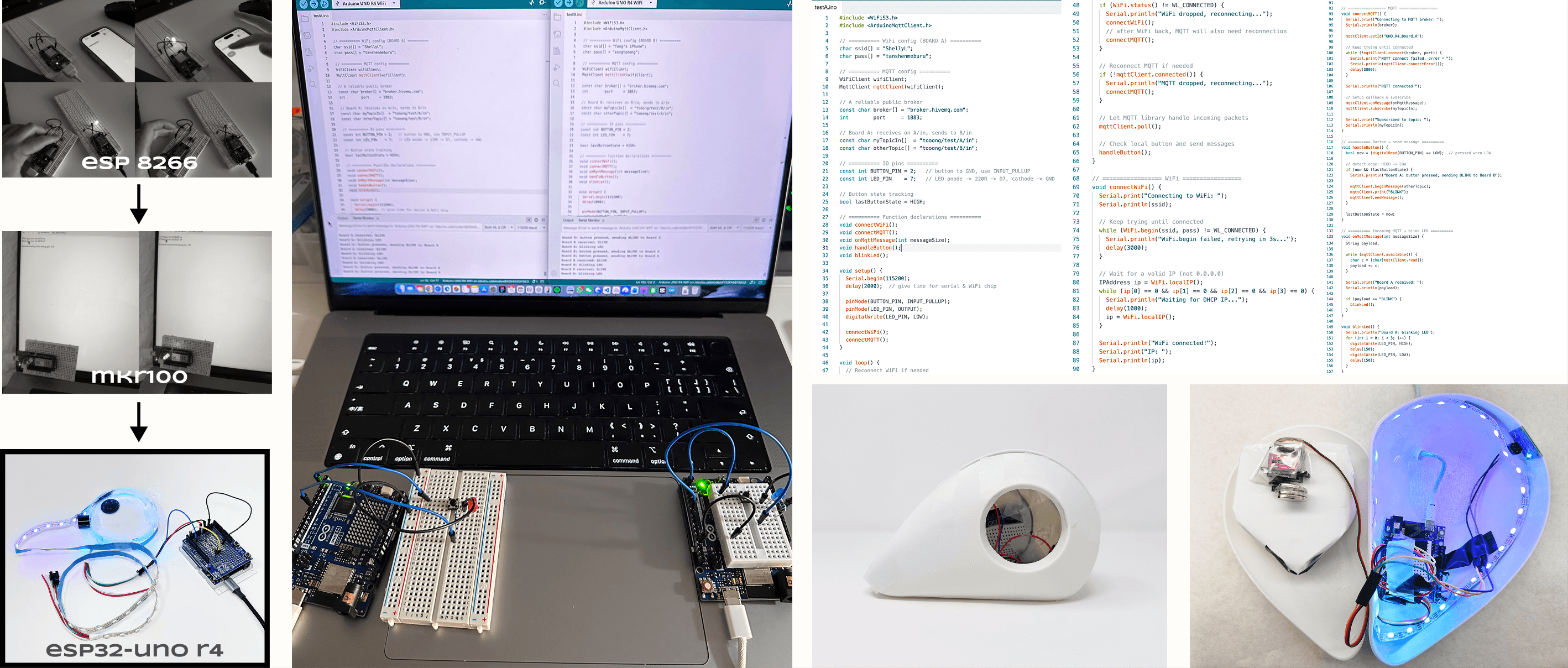
We explored multiple microcontroller platforms—including ESP8266, MKR1000, and UNO R4—to test connectivity, power, and real-time communication between paired devices.
By simulating long-distance interaction across separate Wi-Fi networks, we evaluated system stability, responsiveness, and integration within the physical form.
Based on these tests, we selected the UNO R4 for its reliable 5V support, expanded pin capacity, and seamless hardware integration, enabling a more stable and scalable interaction system.
outcome
The final system connects two users through paired devices across distance.
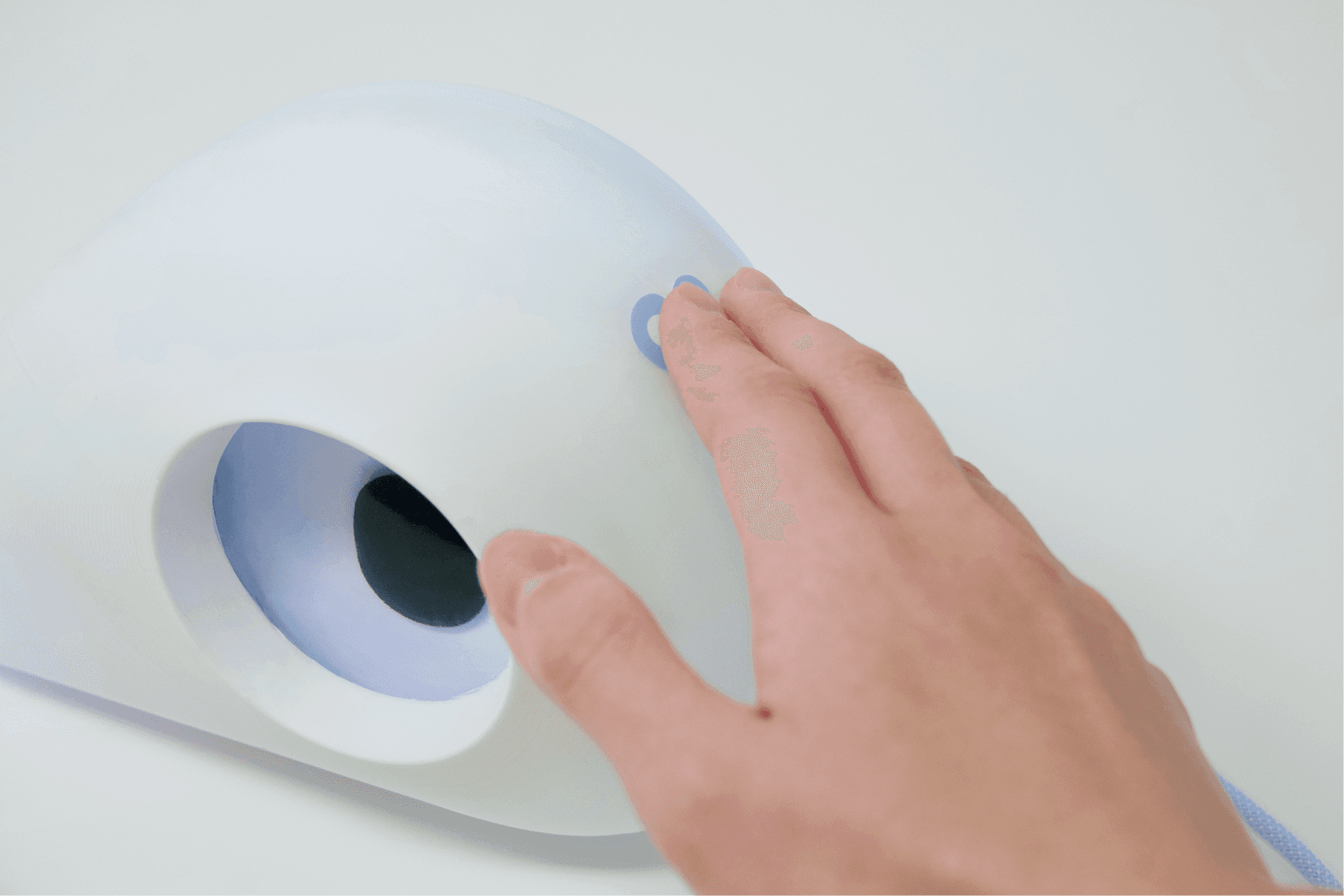
A simple touch is translated into light and fluid motion, allowing gestures to be shared in real time.
Through subtle, ambient feedback, the system creates a quiet sense of presence—making connection something you feel, not something you have to do.