RE:NET
2024/11-2025/5
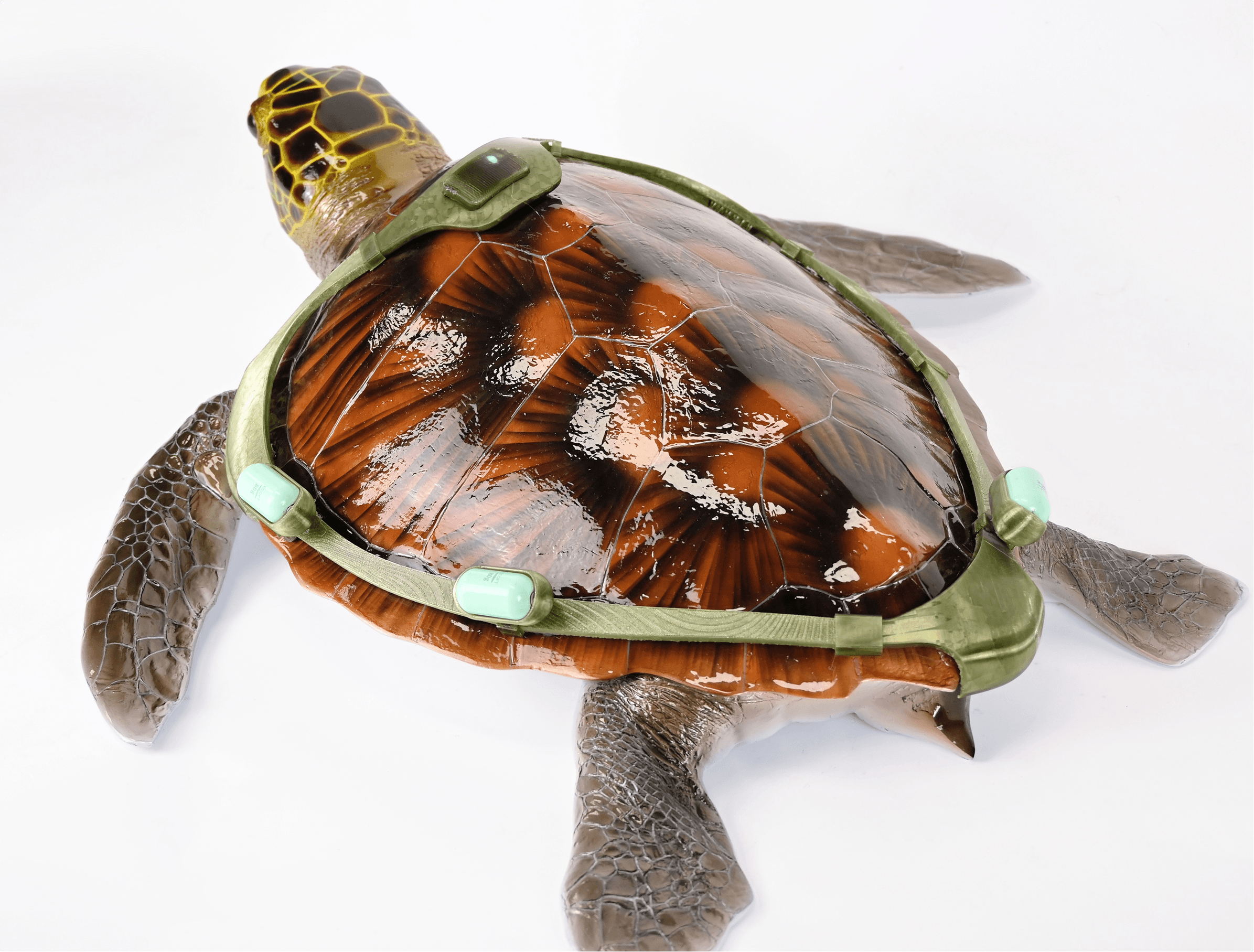
Transforming fishing nets into 3D-printed rehabilitation systems for injured sea turtles
INDIVIDUAL WORK | ROLE: PRODUCT DESIGN · SYSTEM DESIGN · PROTOTYPING
Type
Product Design
Sustainable Design
System Design
SUMMARY
Problem — Abandoned fishing nets harm marine life and are difficult to reuse sustainably.
Approach — Recycled ghost gear into 3D-printable filament and designed a modular rehab system for injured sea turtles.
Outcome — Supports recovery while turning ocean waste into a closed-loop ecological system.
Problem
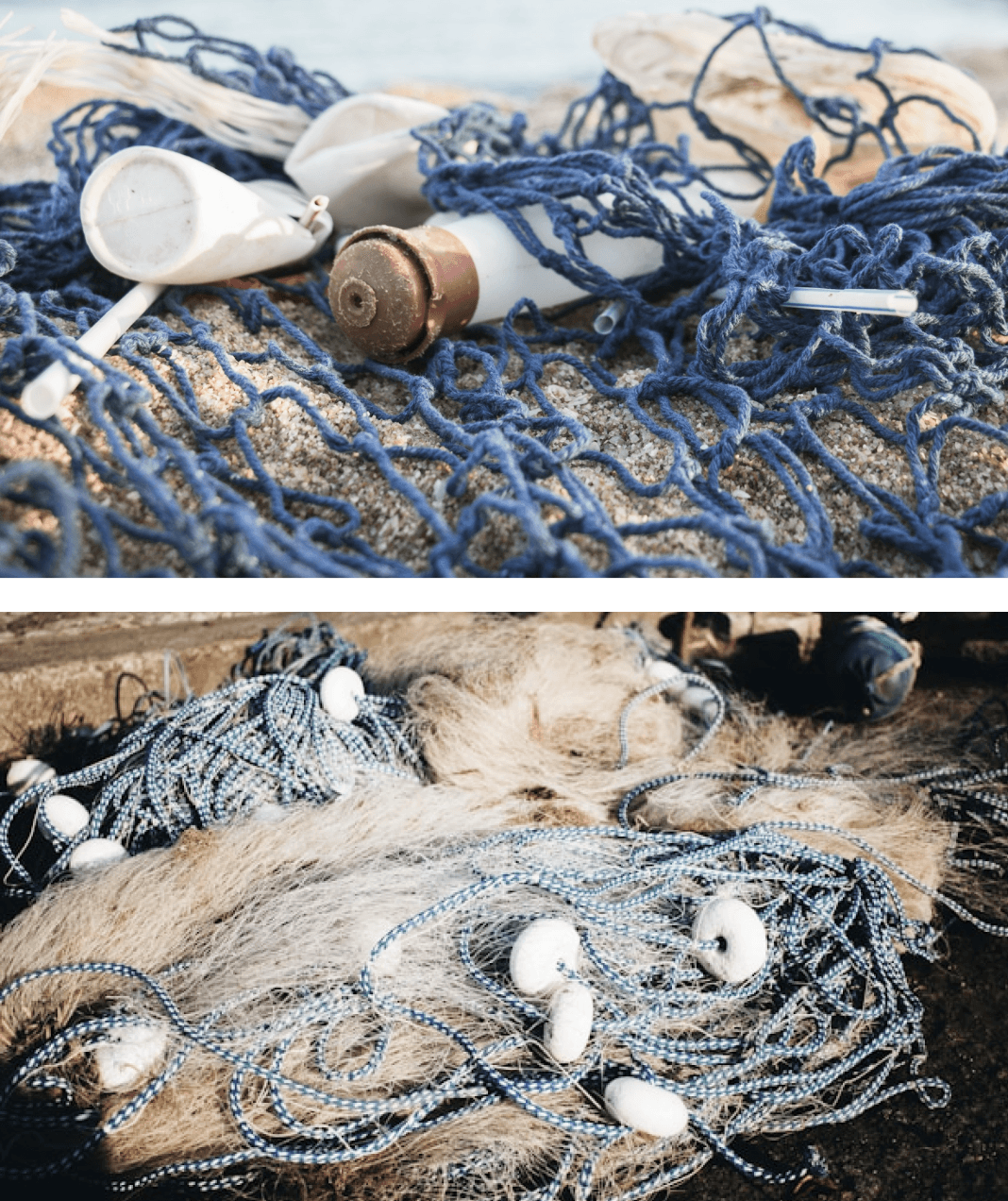
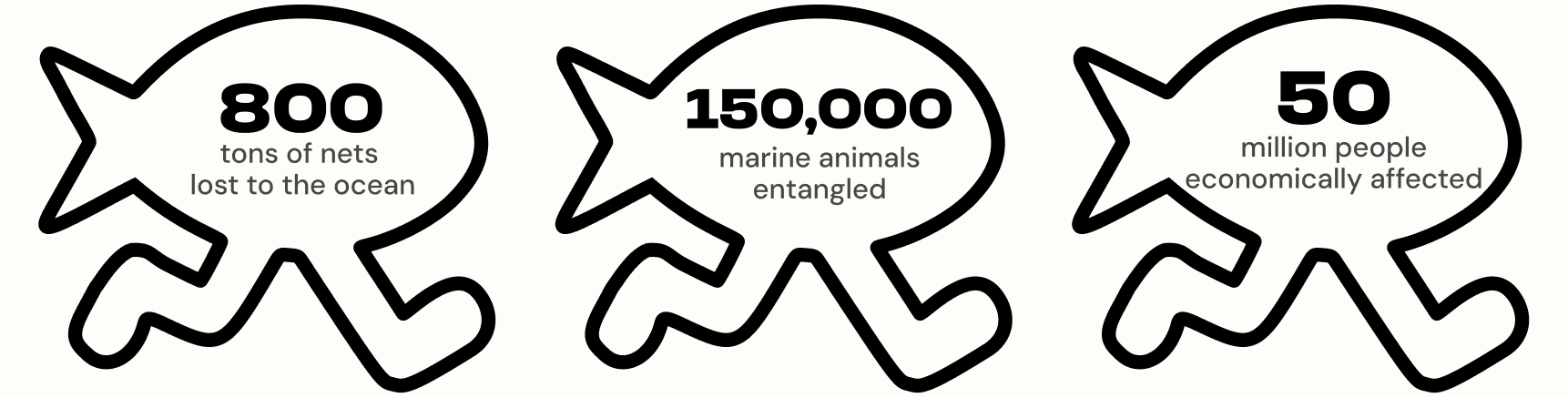
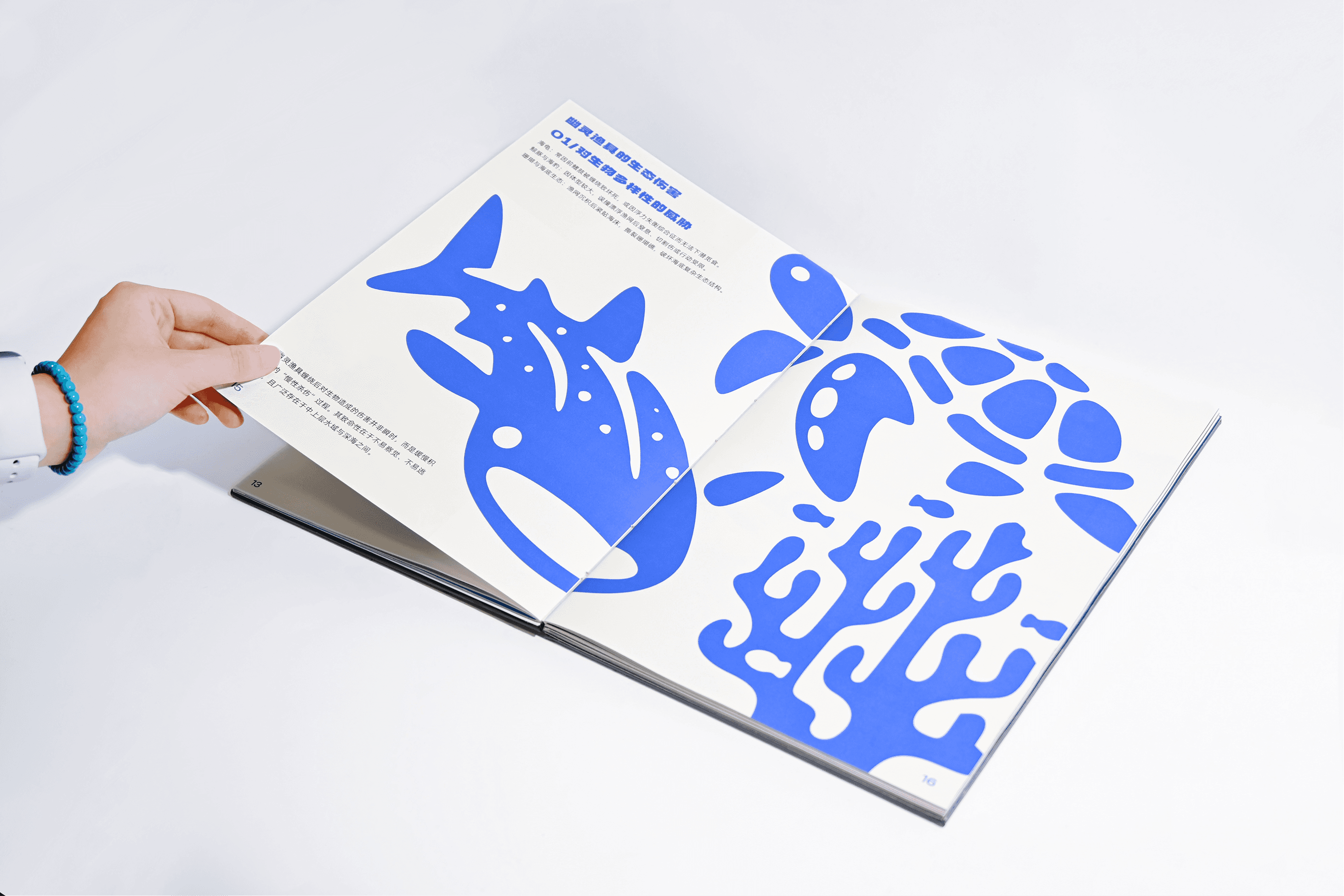
Abandoned fishing nets—known as ghost gear—pose a persistent threat to marine life, causing injury, entanglement, and long-term ecological damage.
While large amounts of this ocean waste are collected globally, it is often difficult to recycle due to material degradation and a lack of accessible reuse pathways.
At the same time, injured marine animals such as sea turtles lack adaptable rehabilitation solutions that support both recovery and mobility.
The challenge is not only how to remove waste from the ocean, but how to transform it into meaningful systems that contribute to ecological repair.
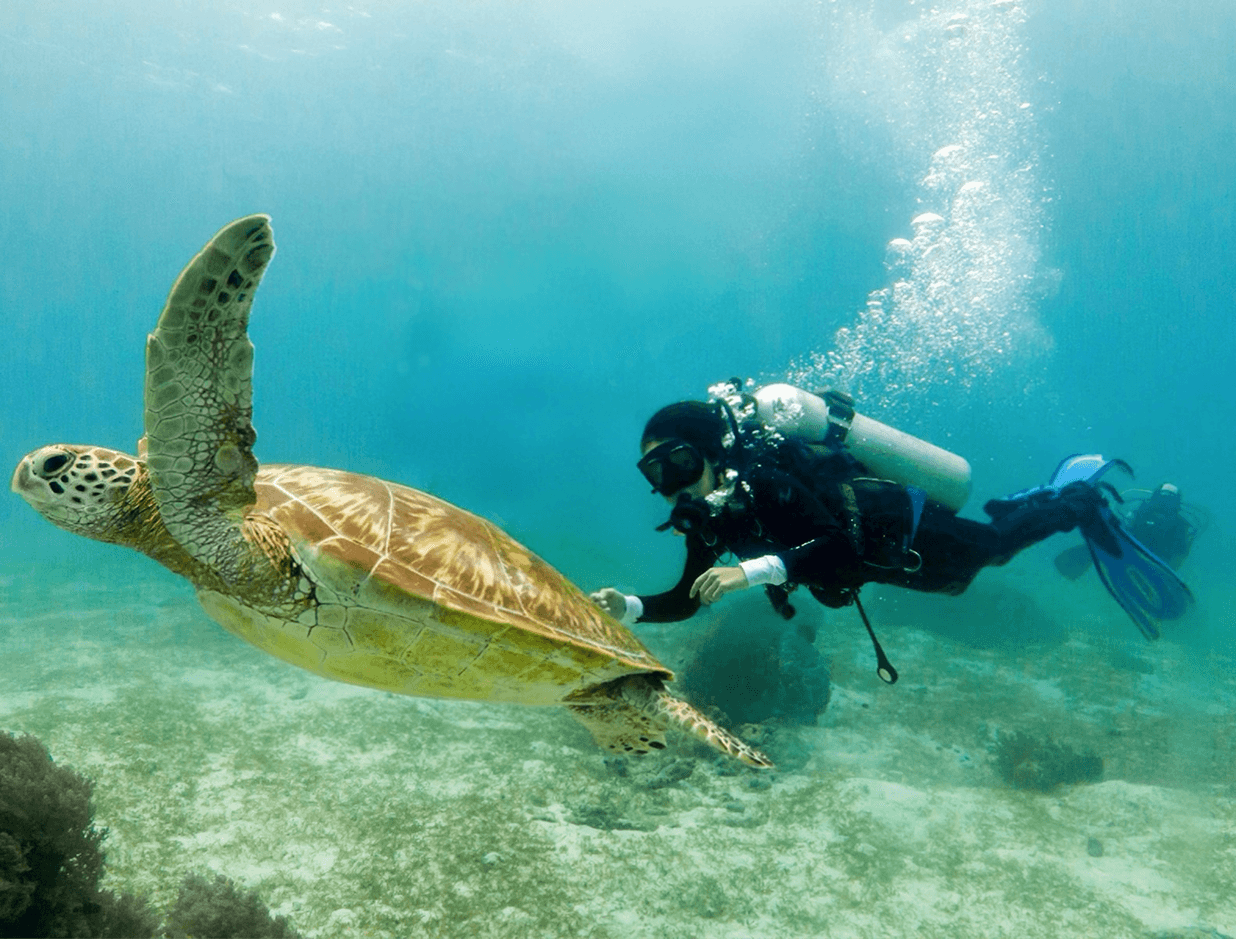
Sea turtle and me
Sea turtles are severely impacted by ghost gear, with entanglement often leading to long-term injury and impaired mobility.
This project is informed by both research and personal experience. During a dive in Southeast Asia, I observed an injured turtle struggling to swim due to asymmetrical movement—likely caused by net entanglement.
A common condition in rehabilitation is Asymmetrical Buoyancy Disorder (ABD), where imbalance prevents stable swimming. Over 25% of rehabilitated turtles are affected, many unable to regain full function despite visible recovery.
The problem is not only survival, but the lack of solutions that support functional rehabilitation.
PROCESS
A quick look at the process behind the project.
Exploration
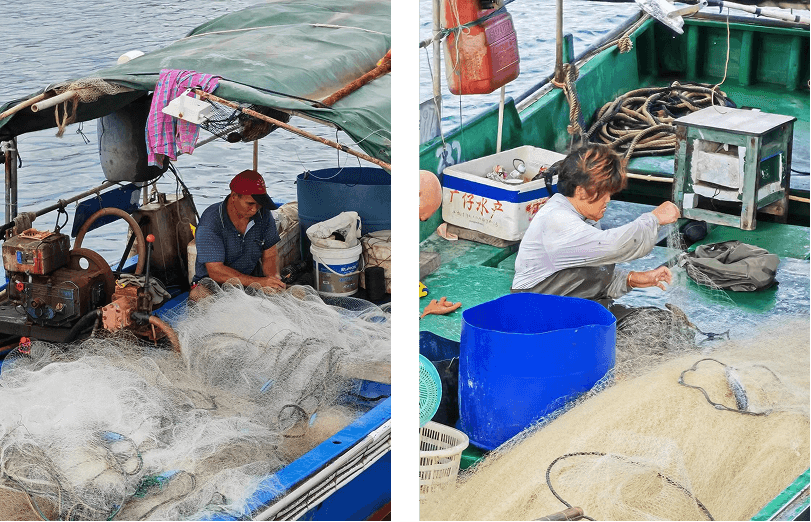
Interviews with fishermen revealed that damaged nets are often discarded at sea—not out of neglect, but due to the lack of accessible recycling systems.
Repair is costly and time-consuming, making disposal the default option. As one fisherman noted, “It’s not that we don’t want to recycle, there’s simply no one to collect them.”
The problem is not just waste, but a systemic gap in collection and reuse.
Prototyping
The process was structured in two phases: material exploration and system development.
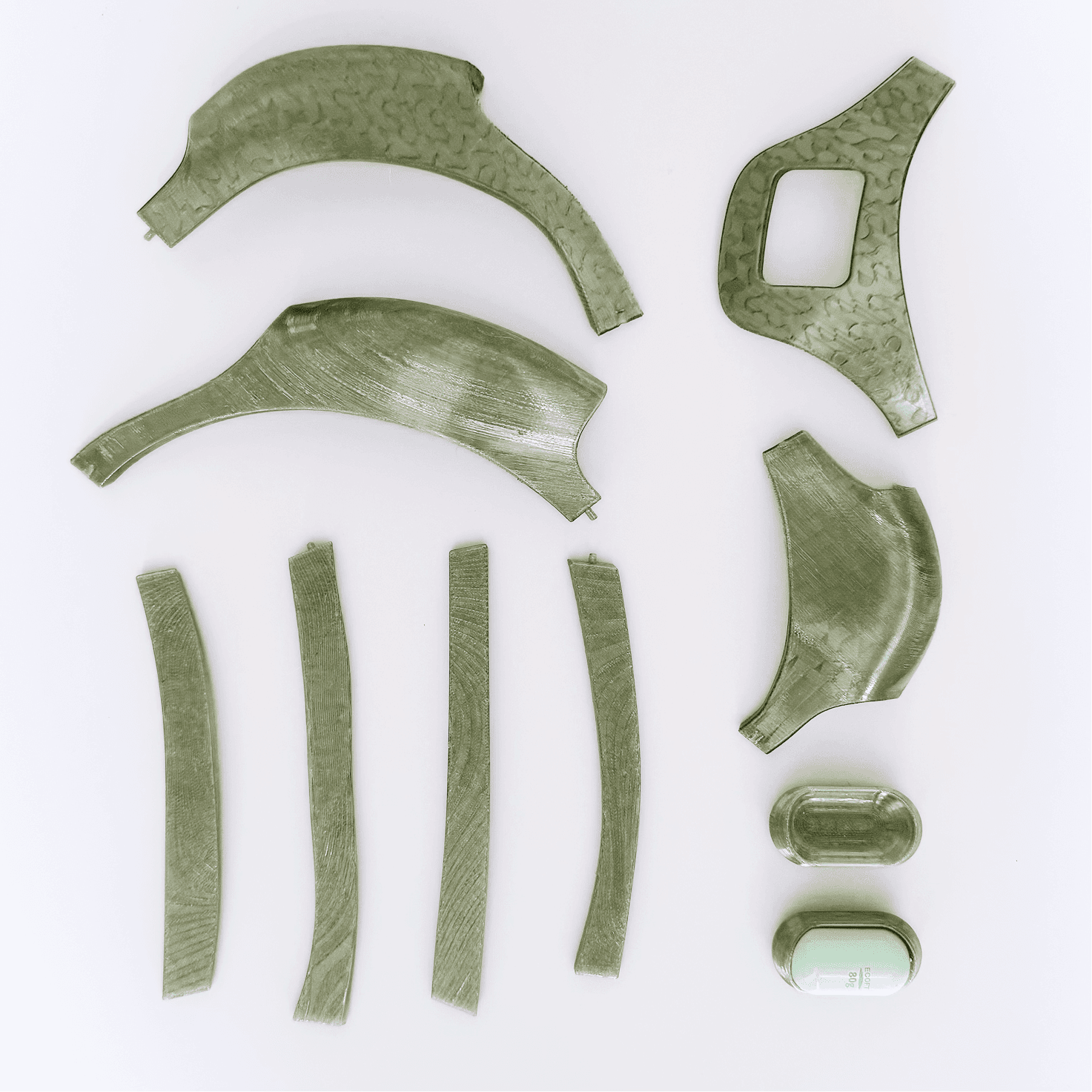
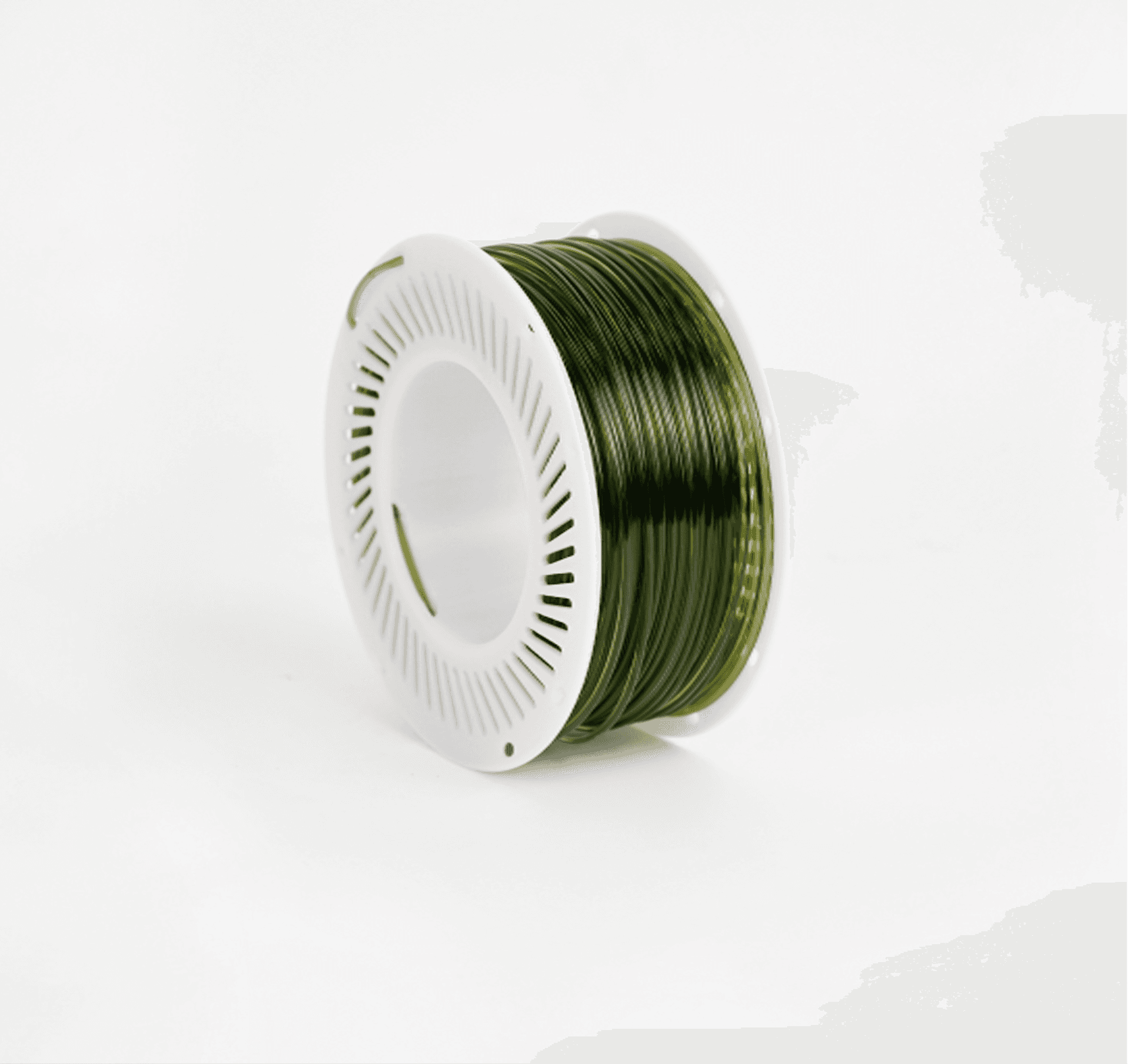
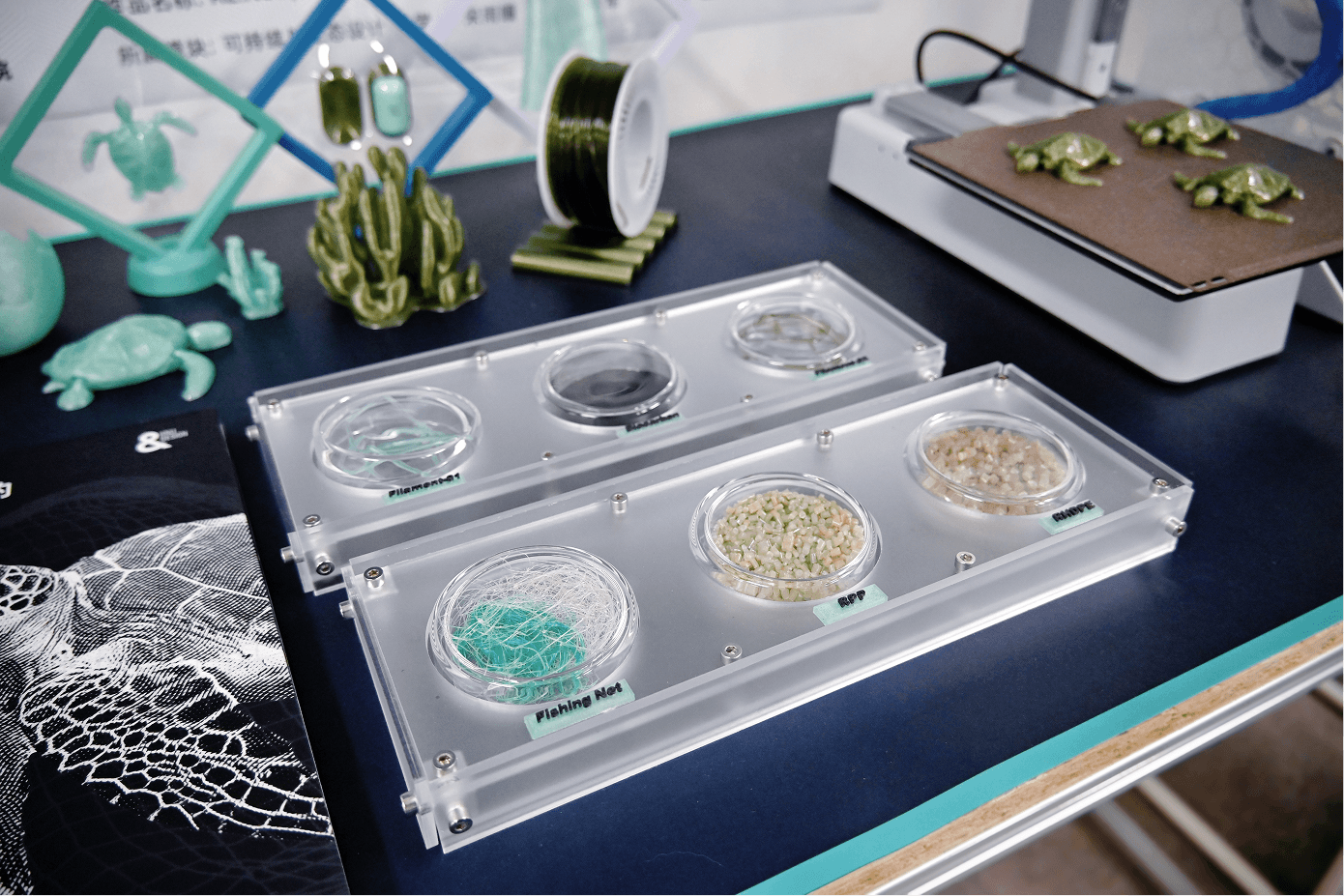
I processed recovered fishing nets into 3D-printable filament through cleaning, shredding, melting, and extrusion. Multiple trials were conducted to evaluate printability, strength, and flexibility, ensuring the material could support functional use.

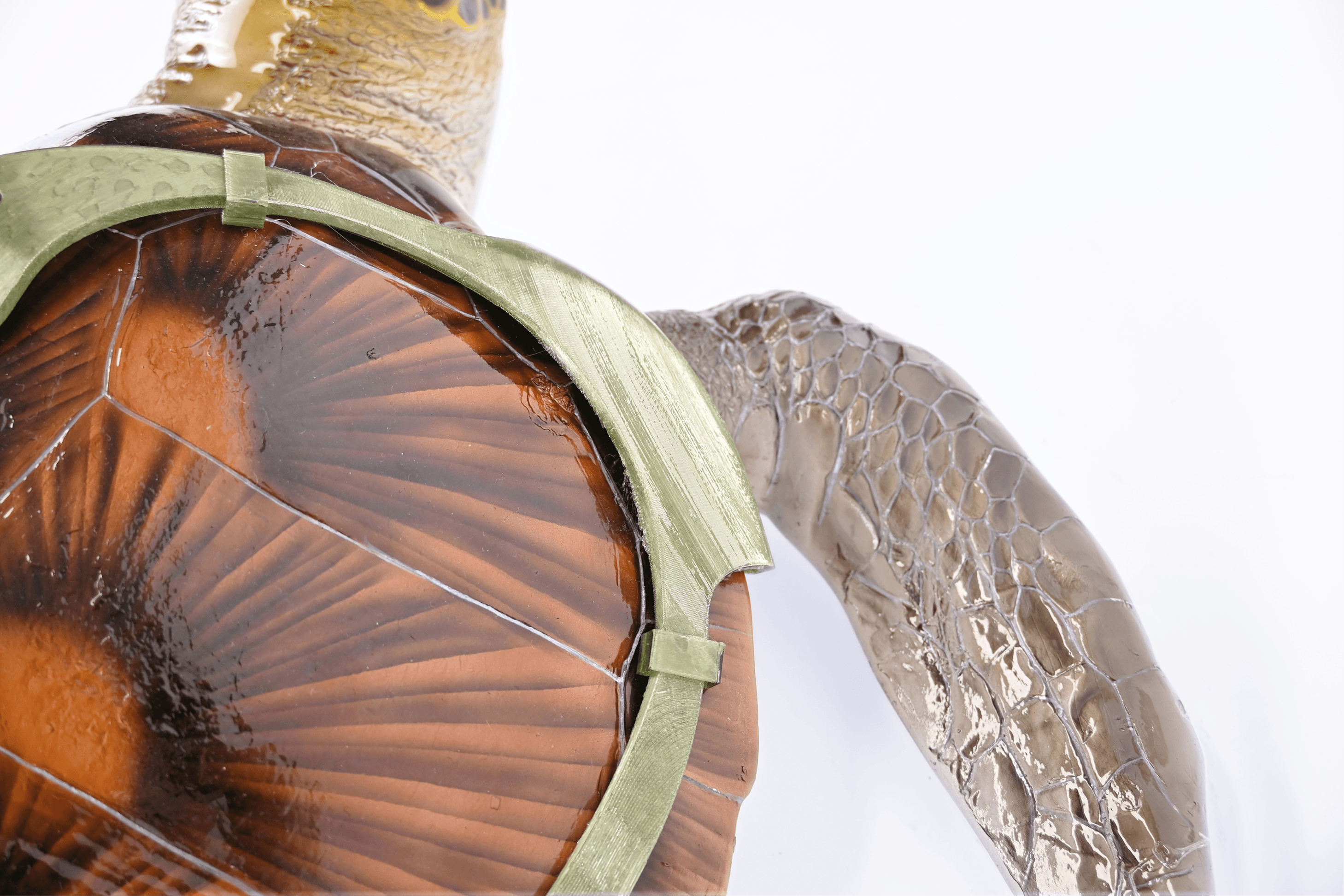
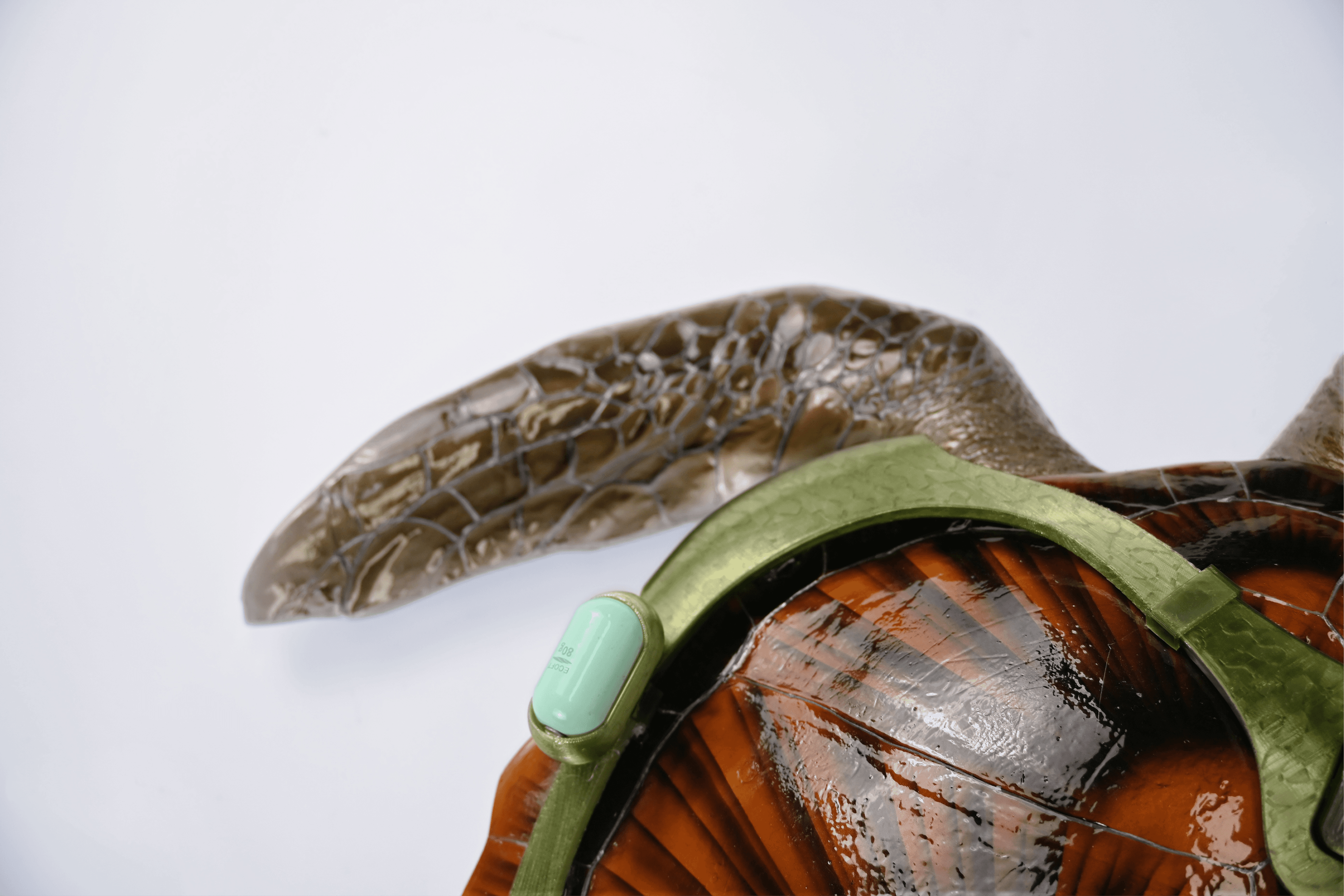
In parallel, I used 3D scanning and digital modeling to reconstruct sea turtle shell geometry. Based on these models, I developed a modular support structure that fits the body while allowing movement. I iterated prototypes through CAD modeling and FDM 3D printing, integrating material behavior with structural design to explore feasibility, fit, and performance.
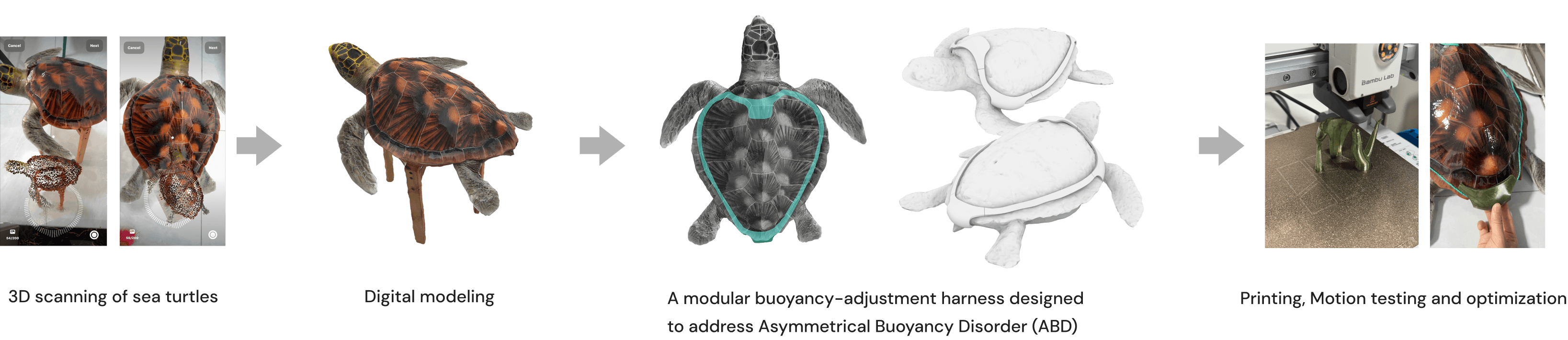
How it works ?
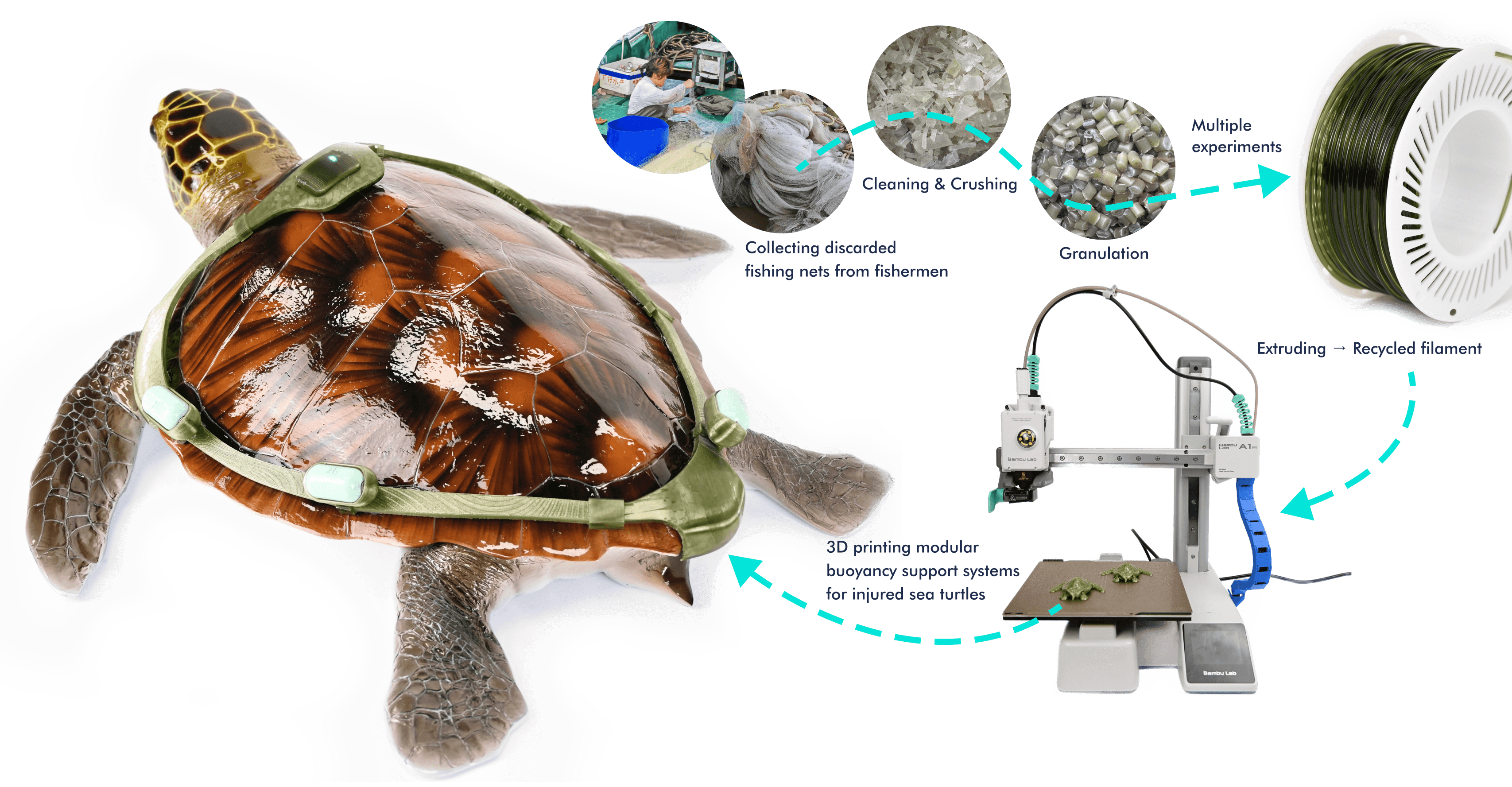
outcome
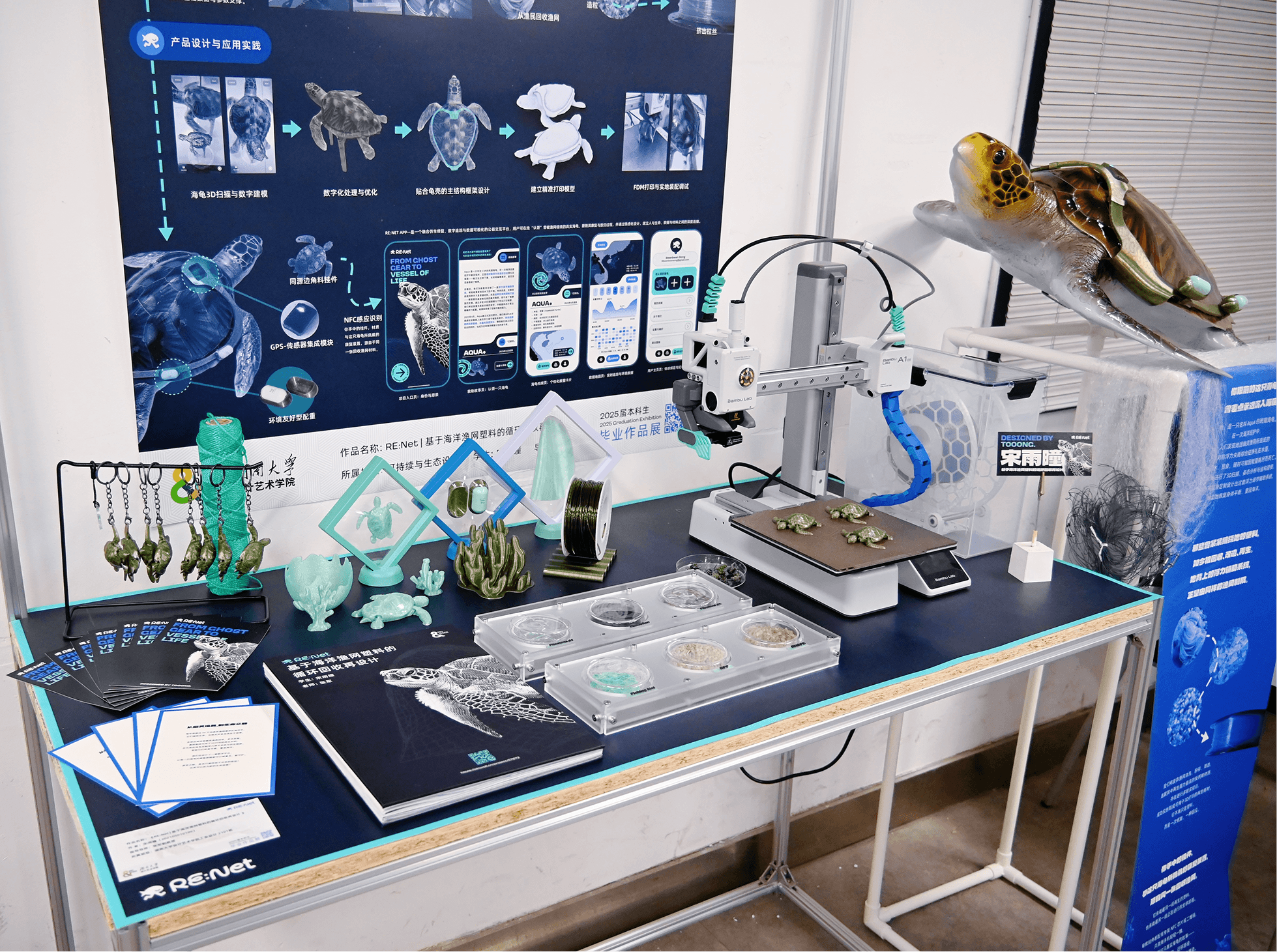
RE:Net App connects rehabilitation, data tracking, and public engagement into a single platform.
Users participate as caregivers, following the recovery of individual sea turtles through real-time data and storytelling. The interface combines tracking, environmental visualization, and adoption features to build both awareness and emotional connection.
The app extends the system beyond physical rehabilitation, linking ecological repair with public participation.
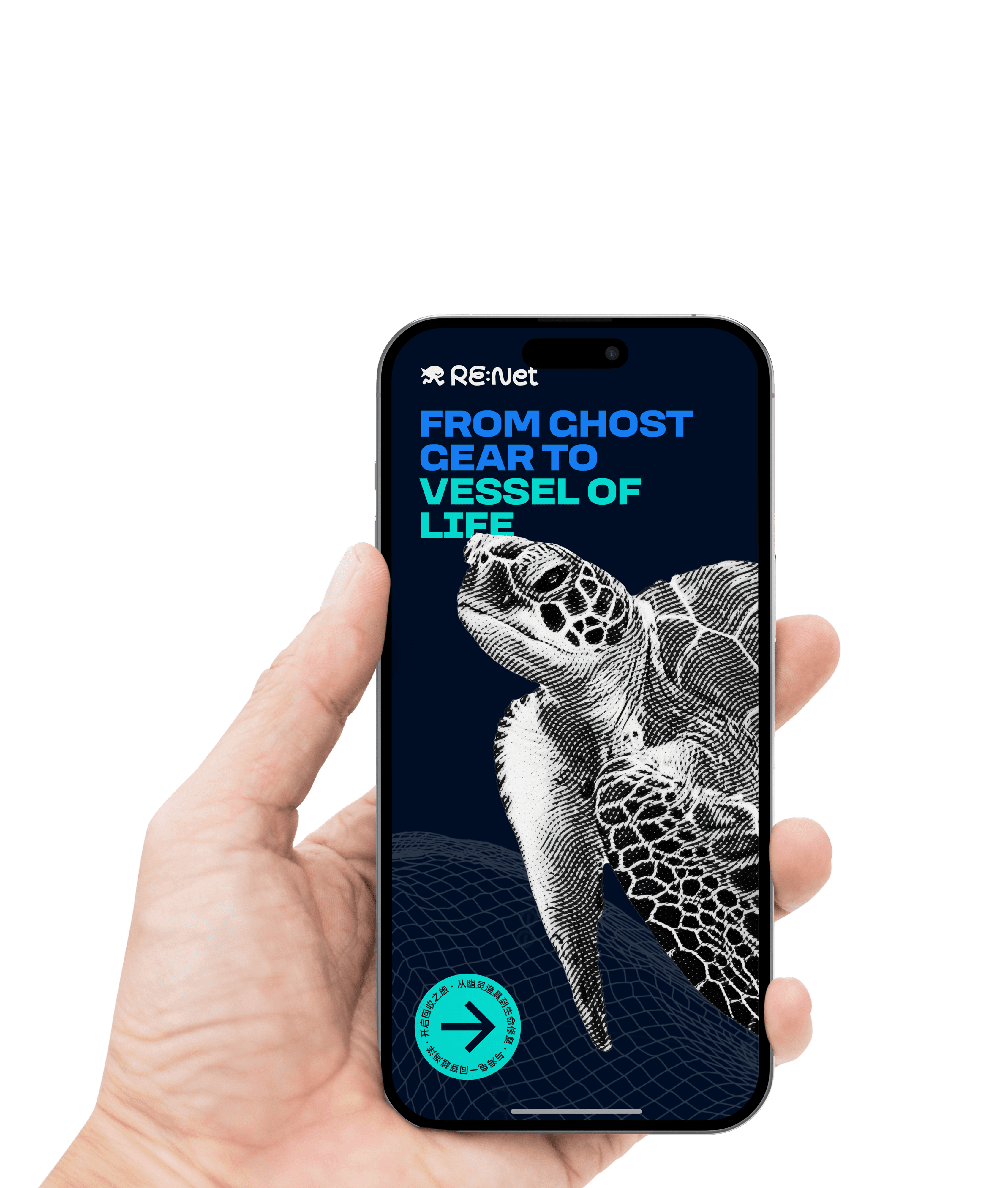
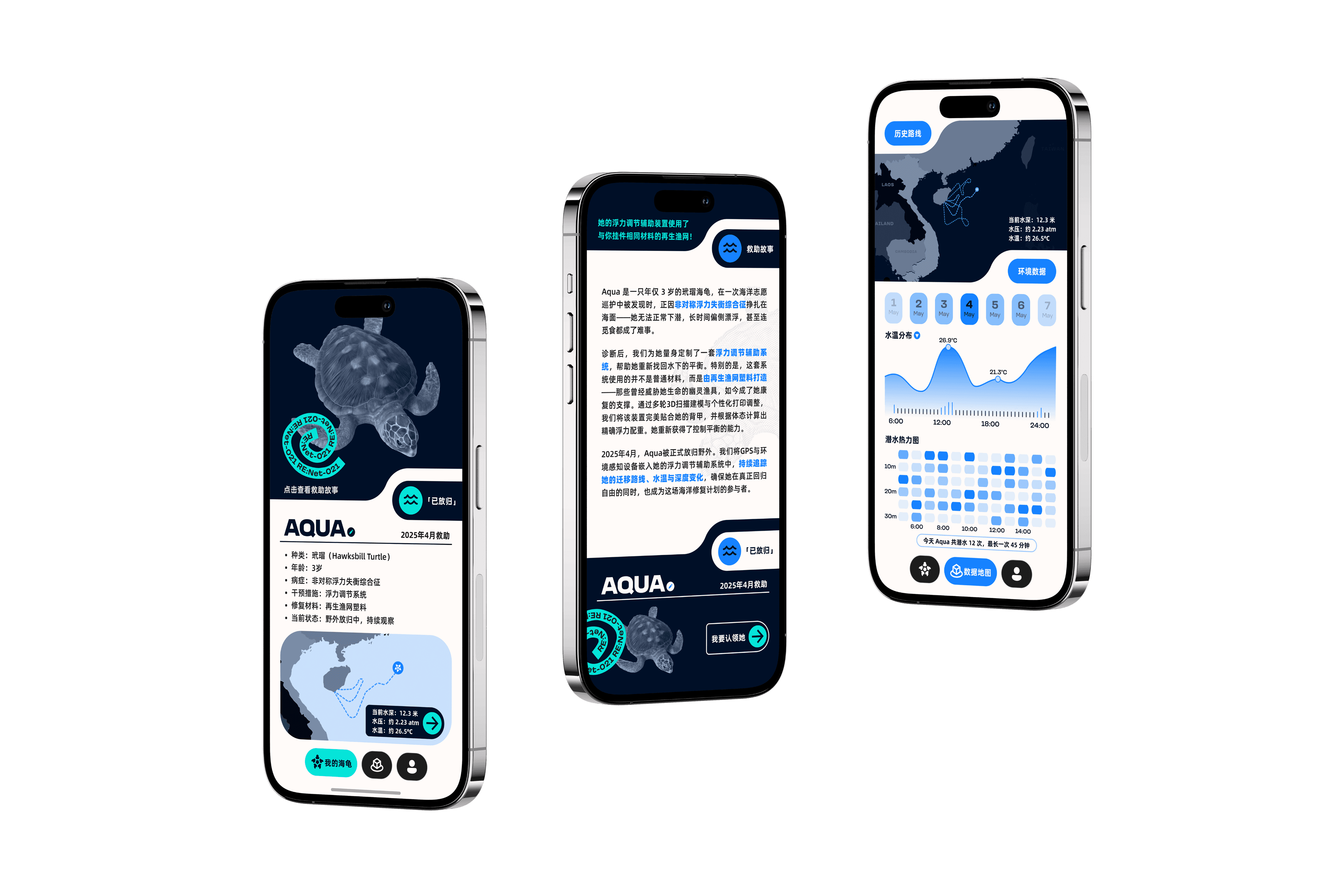
Home: Project mission and impact
Adopt: Support a rescued turtle
Track: View movement and habitat data
Data Map Page: Real-time Tracking of Environmental Data
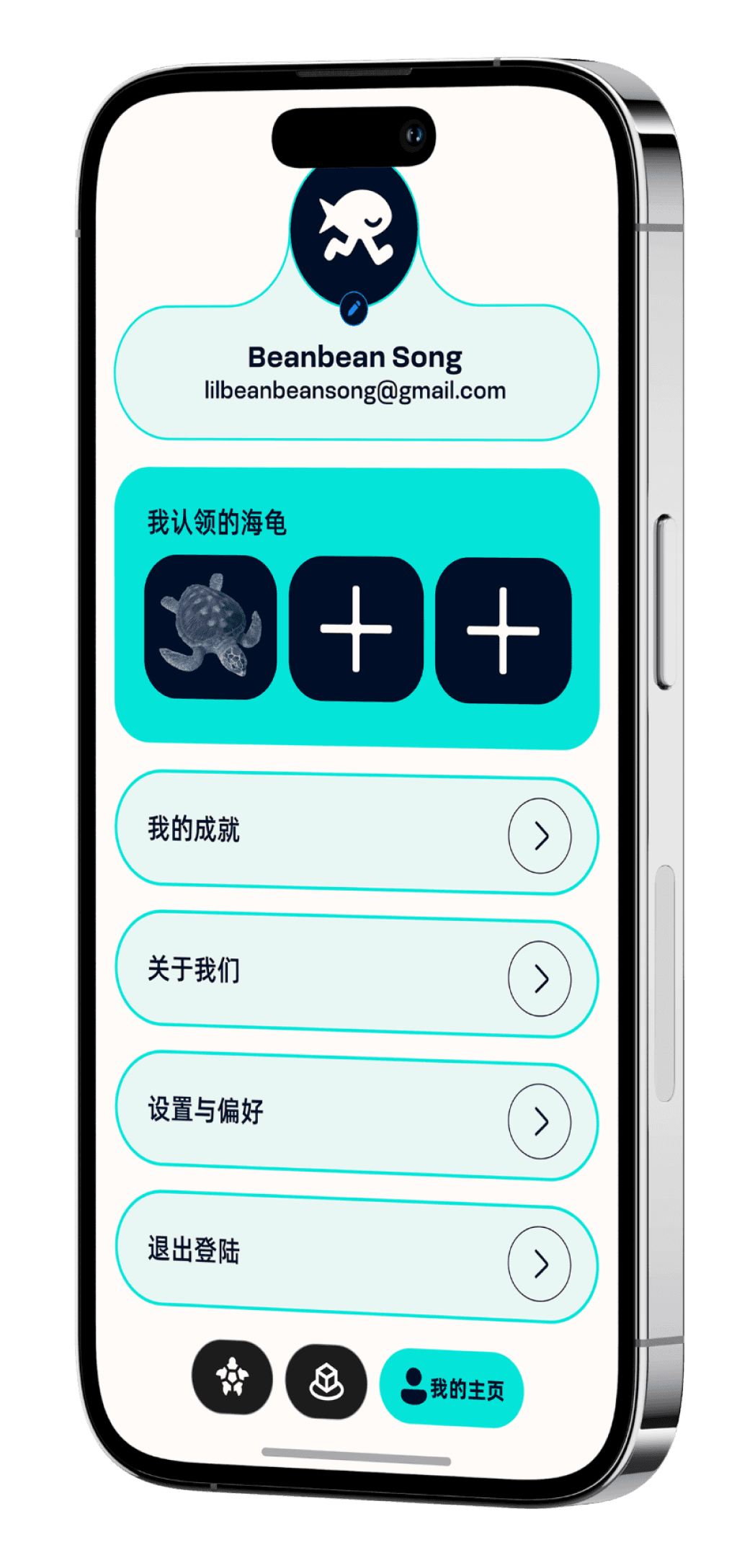
User Home Page: Emotional Binding and Memorial Objects