MuseStep
2024/03-2024/06
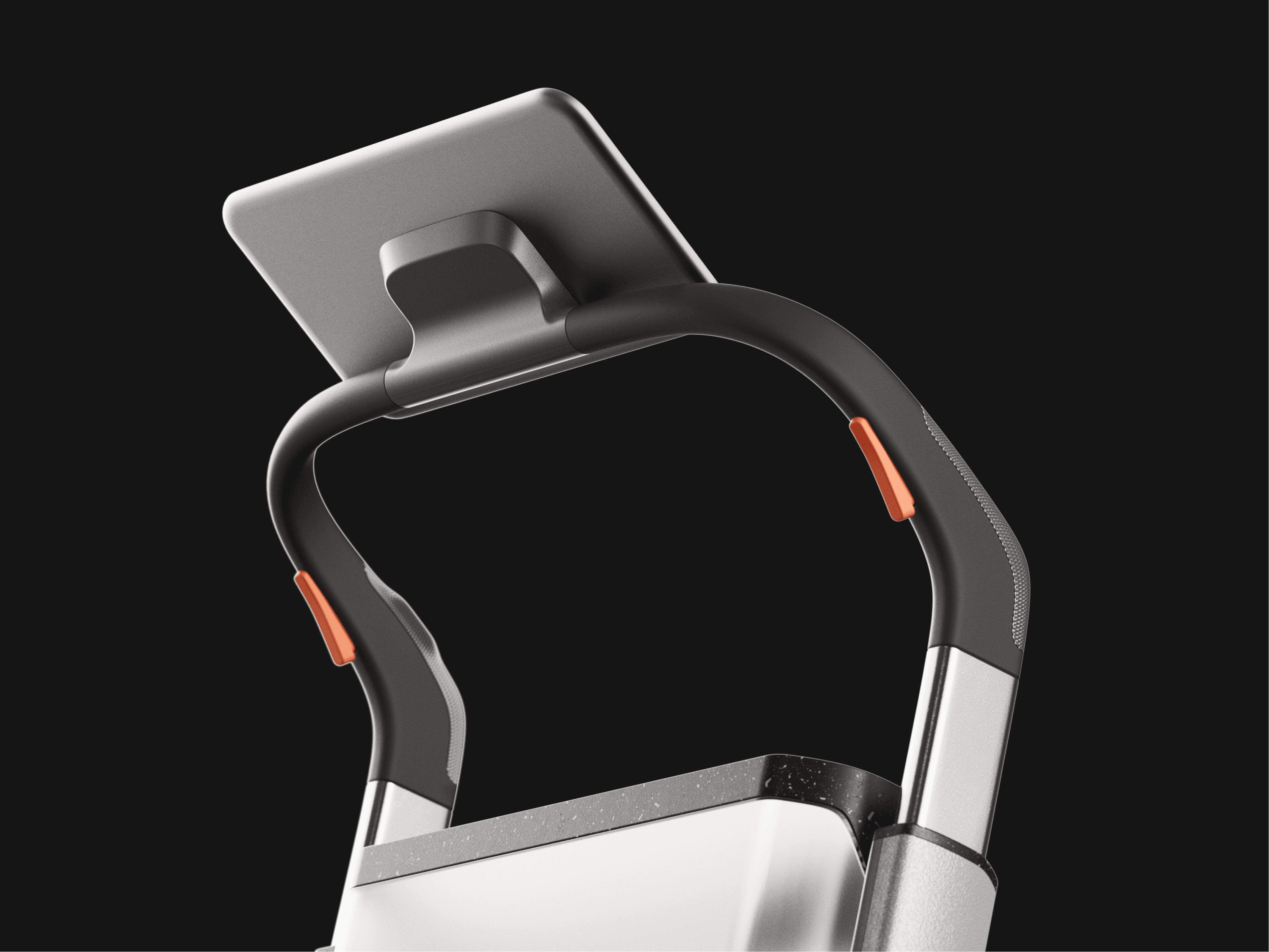
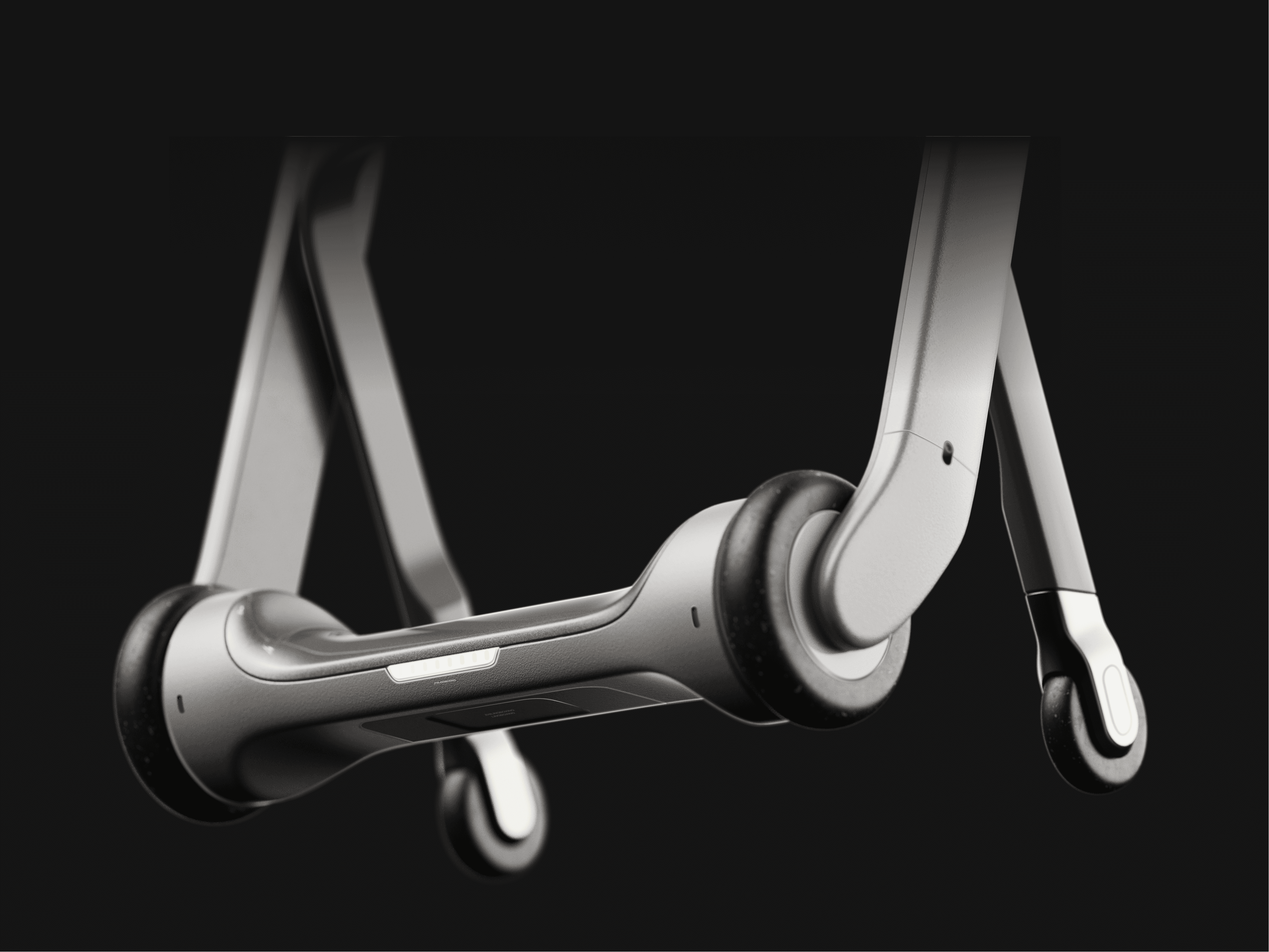
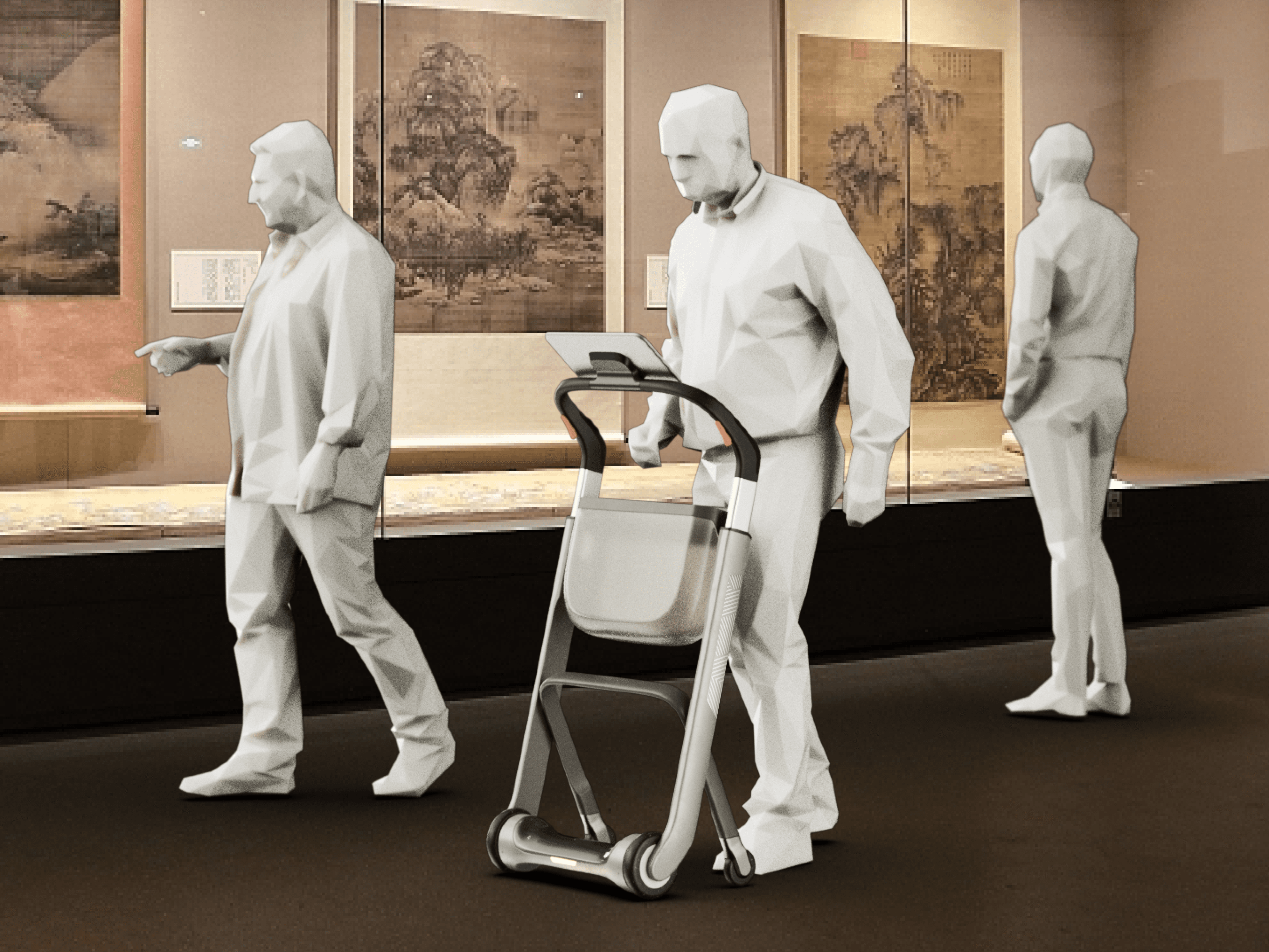
An AI-powered mobility robot designed to support elderly visitors in museums, offering smart navigation and adaptive tour guidance. The product is patented.
TEAMWORK | ROLE: 3D MODELING · RENDERING · INTERACTION DESIGN · SYSTEM DESIGN
Type
Service Design
Product Design
Inclusive Design
SUMMARY
Problem — Elderly visitors face accessibility and navigation challenges in museum environments.
Approach — Designed an AI-powered mobility robot with smart navigation, adaptive routing, and cultural guidance.
Outcome — Creates a safer, more engaging, and inclusive museum experience for older audiences.
Problem
Older adults face significant barriers when navigating museum experiences.
Current guidance systems often lack clarity and accessibility, with complex interfaces, unclear feedback, and small or hard-to-read information leading to confusion and low usability. At the same time, the coexistence of traditional and digital systems creates inconsistency, increasing the learning burden for older visitors.
Beyond usability, existing solutions also lack care for physical and emotional needs. Issues such as insufficient seating, poor lighting, unclear signage, and high crowd density further reduce comfort and engagement.
As a result, many older visitors avoid using interactive systems altogether and rely on passive or limited ways of experiencing exhibitions.
PROCESS
A quick look at the process behind the project.
Exploration
We investigated how older adults experience museum visits through field research and interviews.
We conducted on-site observations and interviewed four groups of visitors aged 55–89, including those traveling with friends and family.
We found that many prefer direct engagement with physical exhibits, while existing guidance systems create barriers such as unclear interfaces, small text, and complex interactions. Environmental factors like low lighting, limited seating, and crowding further reduce comfort.
We also identified a gap between traditional and digital systems, where newer technologies increase learning difficulty and are often avoided.

Prototyping
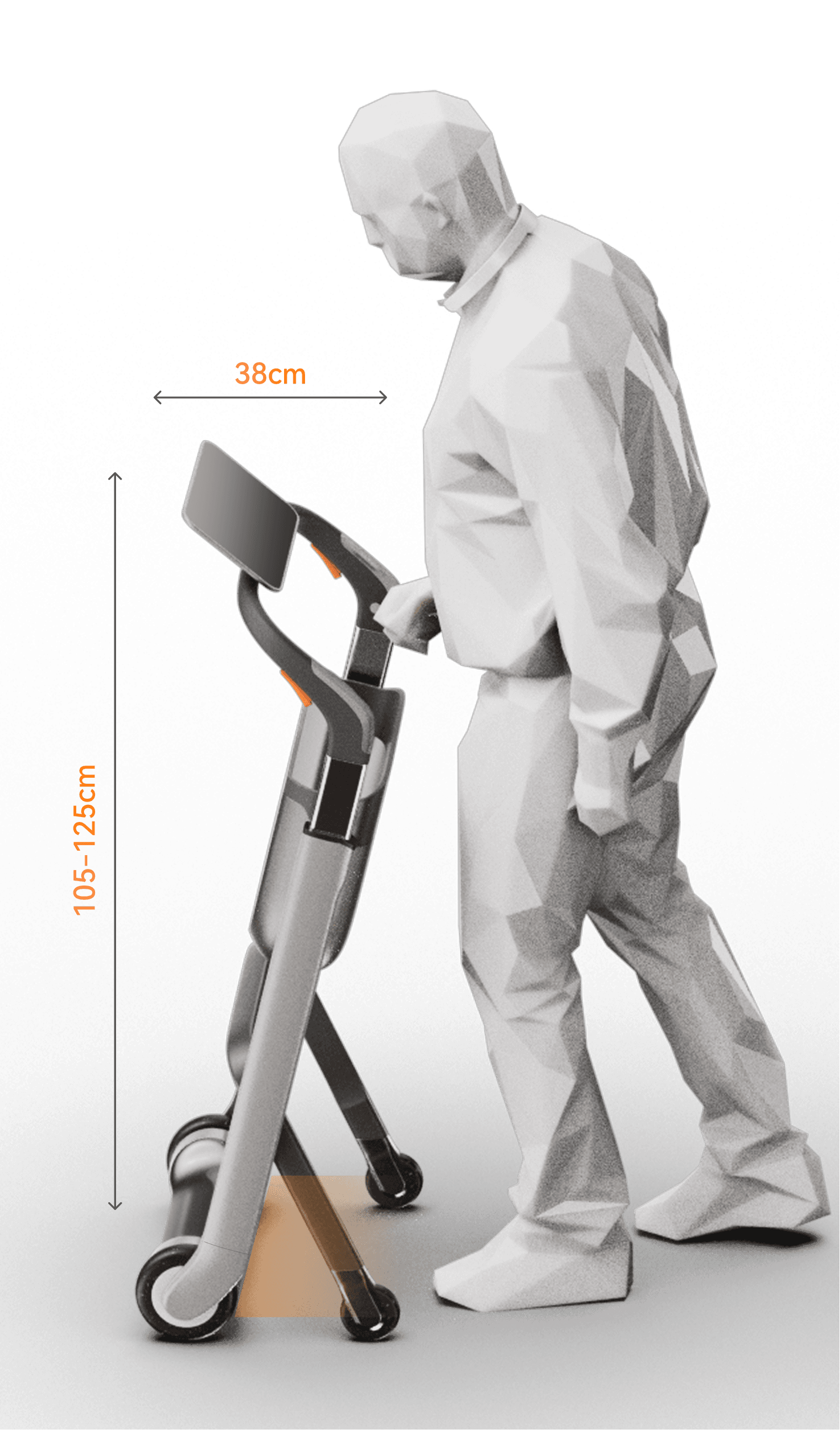
We developed a robotic guide to improve accessibility and comfort for older users.
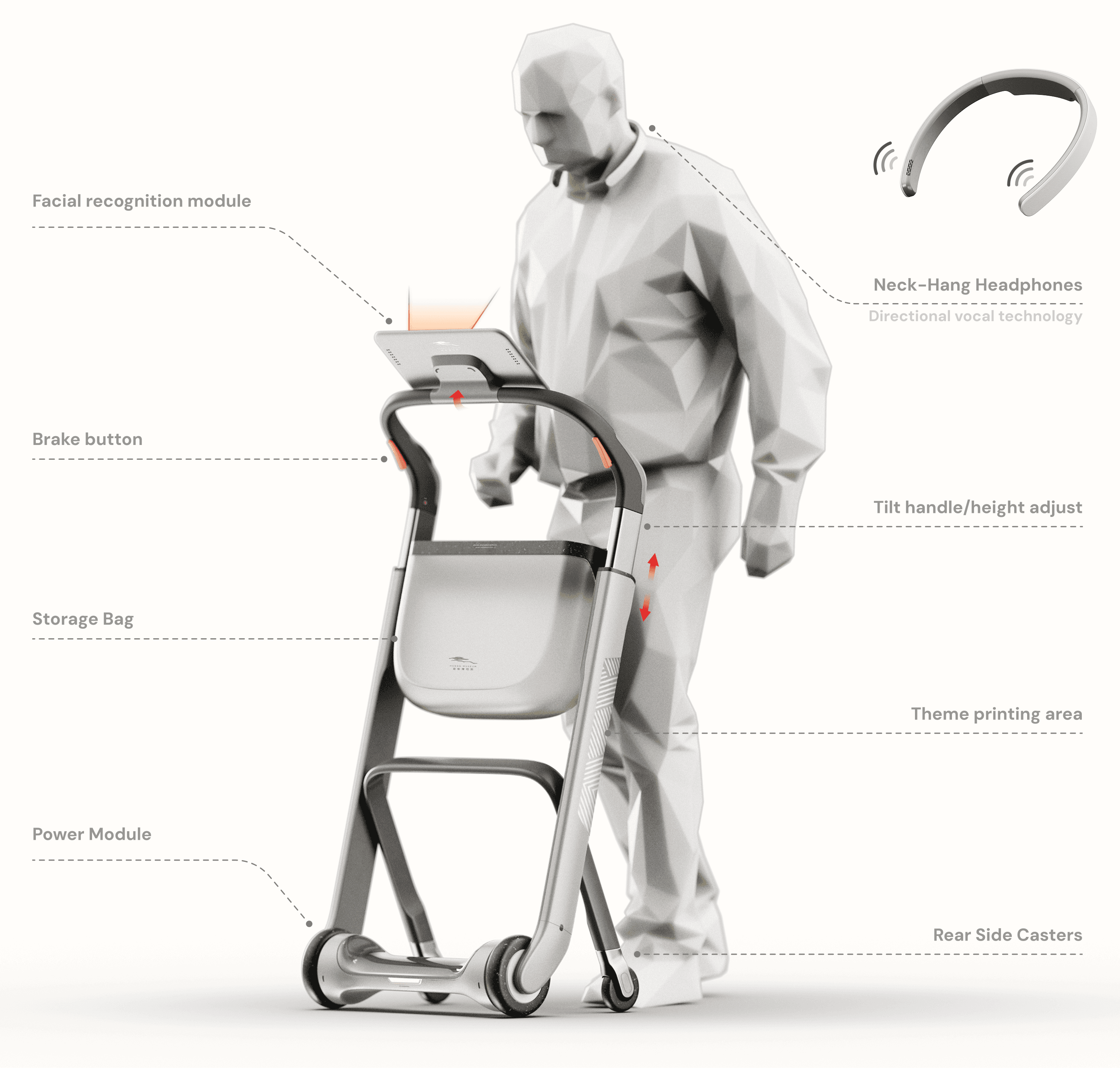
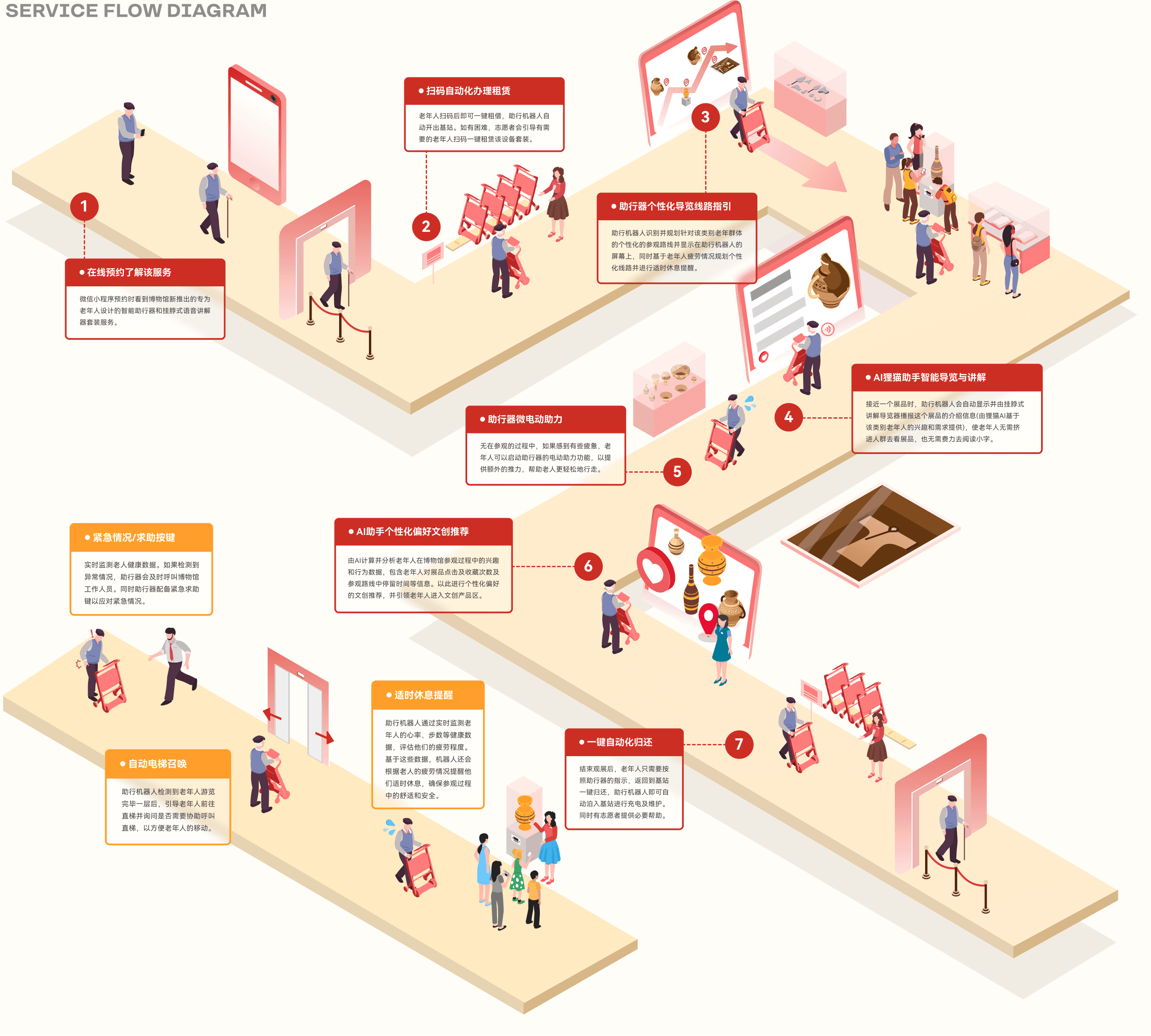
The system simplifies interaction through clear navigation, large text, and direct feedback. It supports route guidance, voice interaction, and information delivery.
The device also functions as a mobility aid, allowing users to lean on it and move with physical support, reducing fatigue during visits.
This combination of guidance and assistance creates a more intuitive and inclusive museum experience.
Iteration
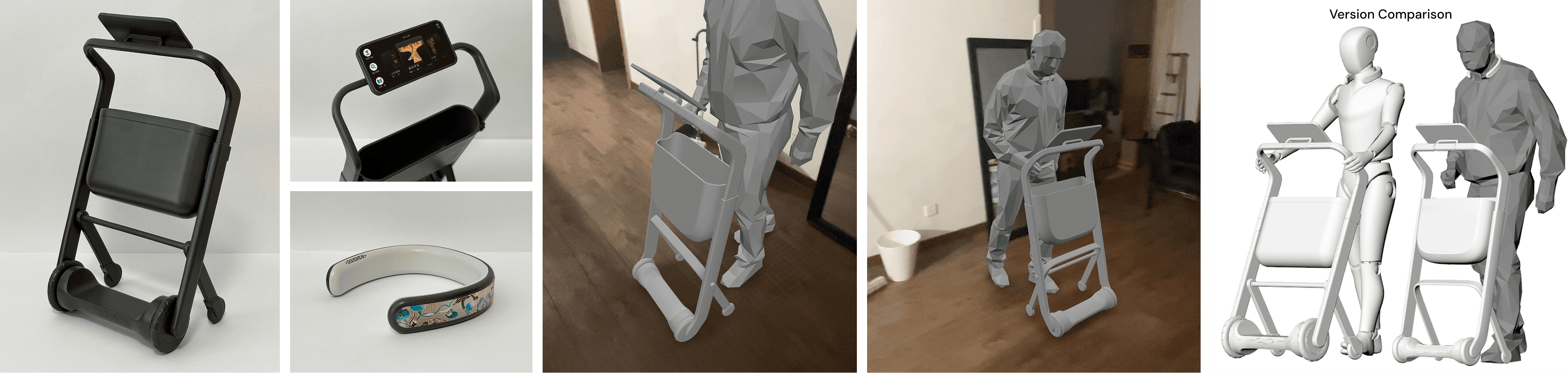
• Developed a first 3D-printed prototype to test form, scale, and interaction
• Identified issues in proportion, forward tilt, and spatial presence in crowded environments
• Reduced motor size and integrated cameras and sensors for navigation and obstacle awareness
• Adjusted overall tilt and proportions to create a more stable and approachable form
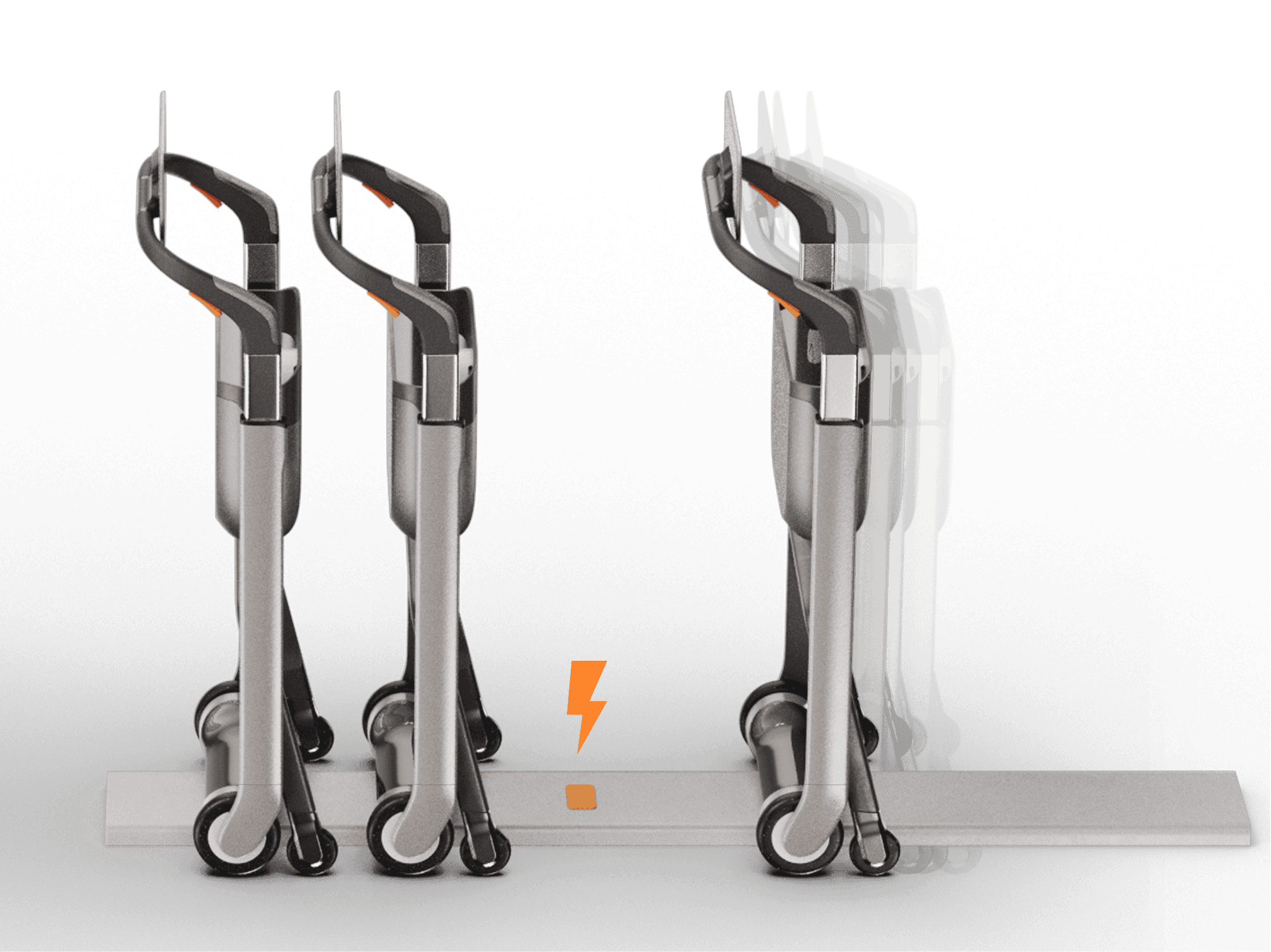
• Improved spatial footprint to better fit within museum environments
• Explored modular integration of accessories (e.g., headphones) and charging solutions
• Iterated the system to balance mobility support, guidance, and user experience
How it works ?
outcome