FISH.MADE
2026/02-2026/05
FishMade is a behavior-based habitat design system where fish help design their own living spaces.
TEAM OF 2 | ROLE: SYSTEM DESIGN · PRODUCT DESIGN · BEHAVIORAL TRACKING · PROTOTYPING

Type
Non-human-centered Design
Product Design
Interaction Design
SUMMARY
Problem — Fish tanks are usually designed for human aesthetics, not the individual comfort or behavior of the fish.
Approach — Tracked fish movement, dwell time, and avoidance patterns to generate modular habitat-building suggestions.
Outcome — Creates a behavior-based habitat system where the fish helps shape its own living space.
Problem
BACKGROUND
Many nature-inspired design processes are still deeply human-centered. Designers often learn from nature by extracting patterns, averaging data, and applying those insights to human problems. While this can produce useful innovation, it often removes the individual living being from the process.
FishMade explores a different approach. Rather than designing from nature for humans, it proposes designing with another living being, for that living being.
During our field research at Petco, we saw betta fish kept alone in very small containers. Some barely moved, which was honestly sad to watch.
It made us think about fish not as display objects, but as living beings with real spatial needs.
When we looked at commercial fish tank products, most of them were artificial decorations: castles, bridges, plastic plants, and fake rocks.
They may look fun or beautiful from a human perspective, but they are usually fixed before the fish enters the space. And they are usually designed based on general guidelines, not the behavior of the individual animal.
PROCESS
A quick look at the process behind the project.
Exploration
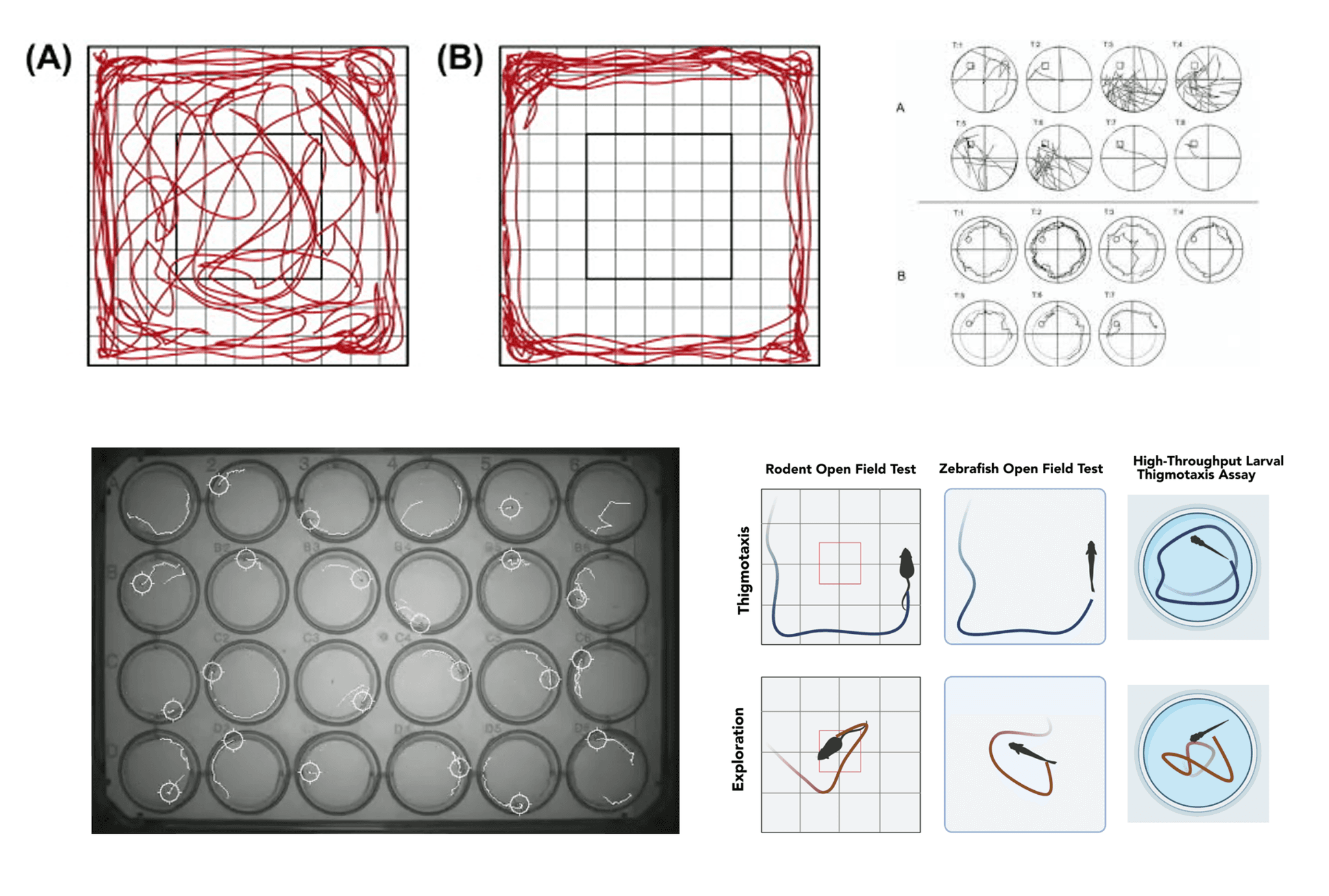
Behavioral Signal: Thigmotaxis
One key behavior we studied was thigmotaxis, which refers to an animal’s tendency to stay close to walls, edges, or boundaries.
This behavior appears in many animals, including fish. In some contexts, frequent wall-hugging can be related to stress, fear, lack of shelter, or discomfort in open space.
For FishMade, thigmotaxis became an important clue. By observing where the fish stays, avoids, pauses, or repeatedly returns, we can begin to understand how it experiences space.
Prototyping
Tracking Movement
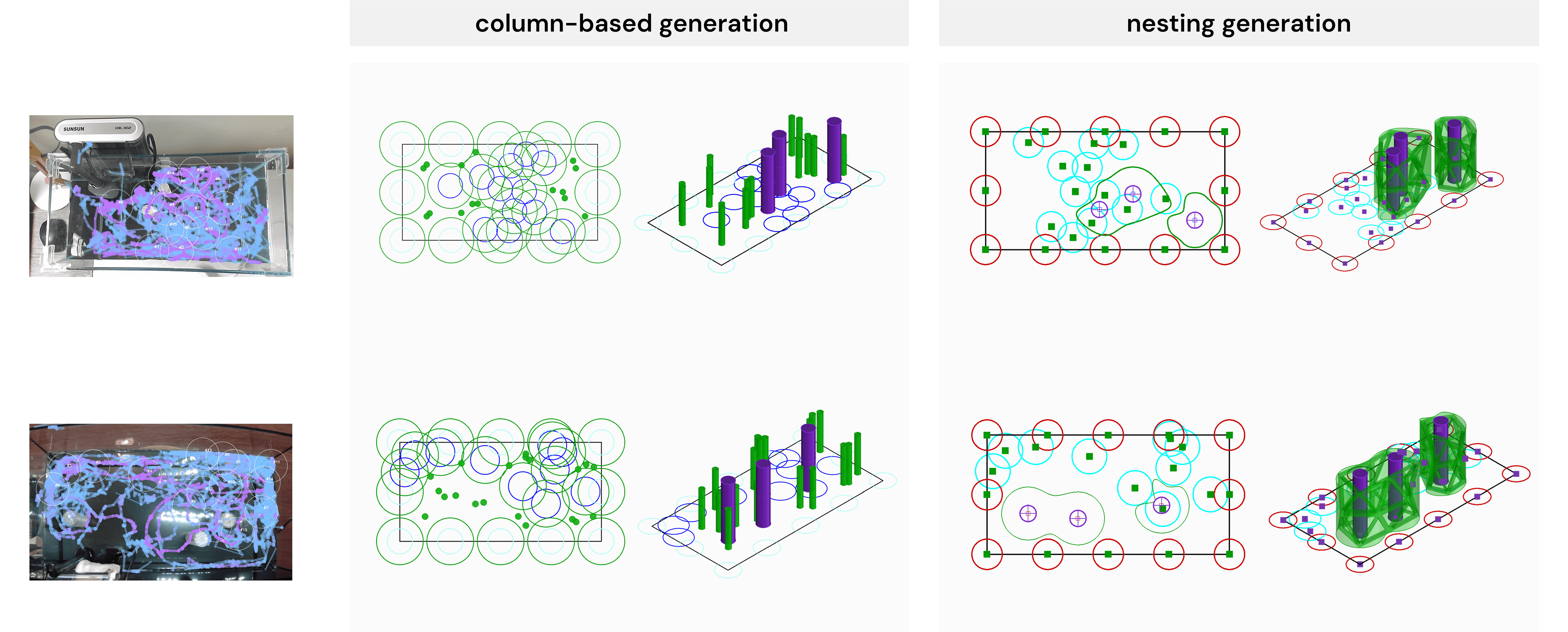
We built a p5.js-based tracking system to record the fish’s swimming behavior.
The blue paths show the fish’s swimming trajectories. When the fish stays longer in one area, the path shifts toward purple, making dwell time visible.
The system then clusters the areas where the fish spends more time into top dwell hotspots. These hotspots help us understand spatial preferences, such as wall-hugging, resting zones, or areas where the fish may feel more comfortable.
After first tracking the fish in 2D, we expanded the system toward 3D spatial tracking by estimating depth through changes in the fish’s body size. This allowed us to capture x, y, and z movement, as well as rest time — moments when the fish pauses in one area for longer.
Through this process, movement becomes a design language.
Form Generation
We first explored two ways to translate behavioral data into habitat form.
The first was column-based generation, where dwell hotspots influenced the placement and height of vertical structures. The second was nesting generation, where the system created more enclosed, shelter-like forms around areas where the fish stayed longer.
These experiments helped us understand how fish behavior could shape space. However, they also revealed a usability challenge: fully generated forms would require custom 3D printing every time, which would be difficult for everyday users.
This led us to shift from fully custom forms to a more accessible modular system.
Iteration
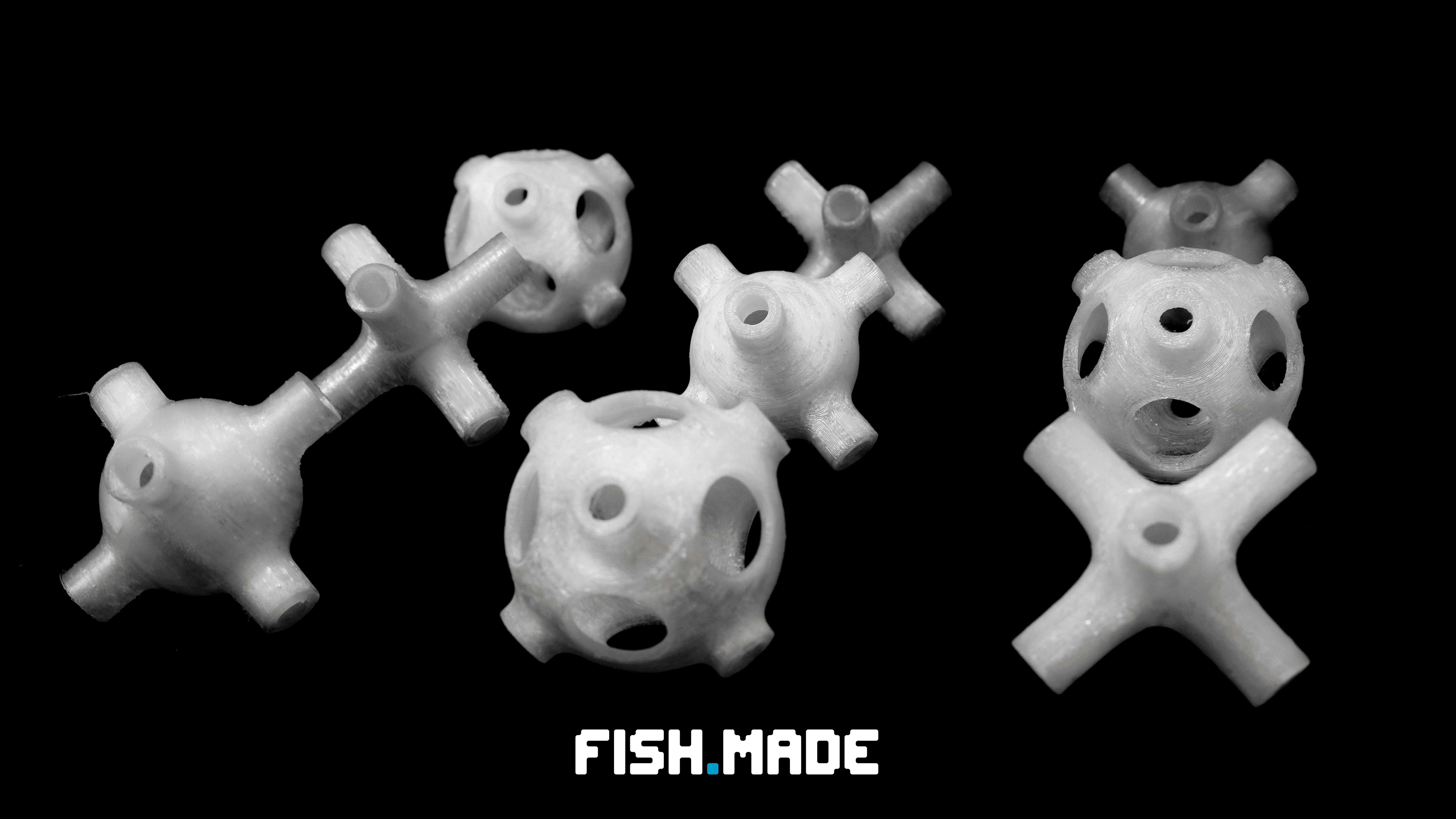
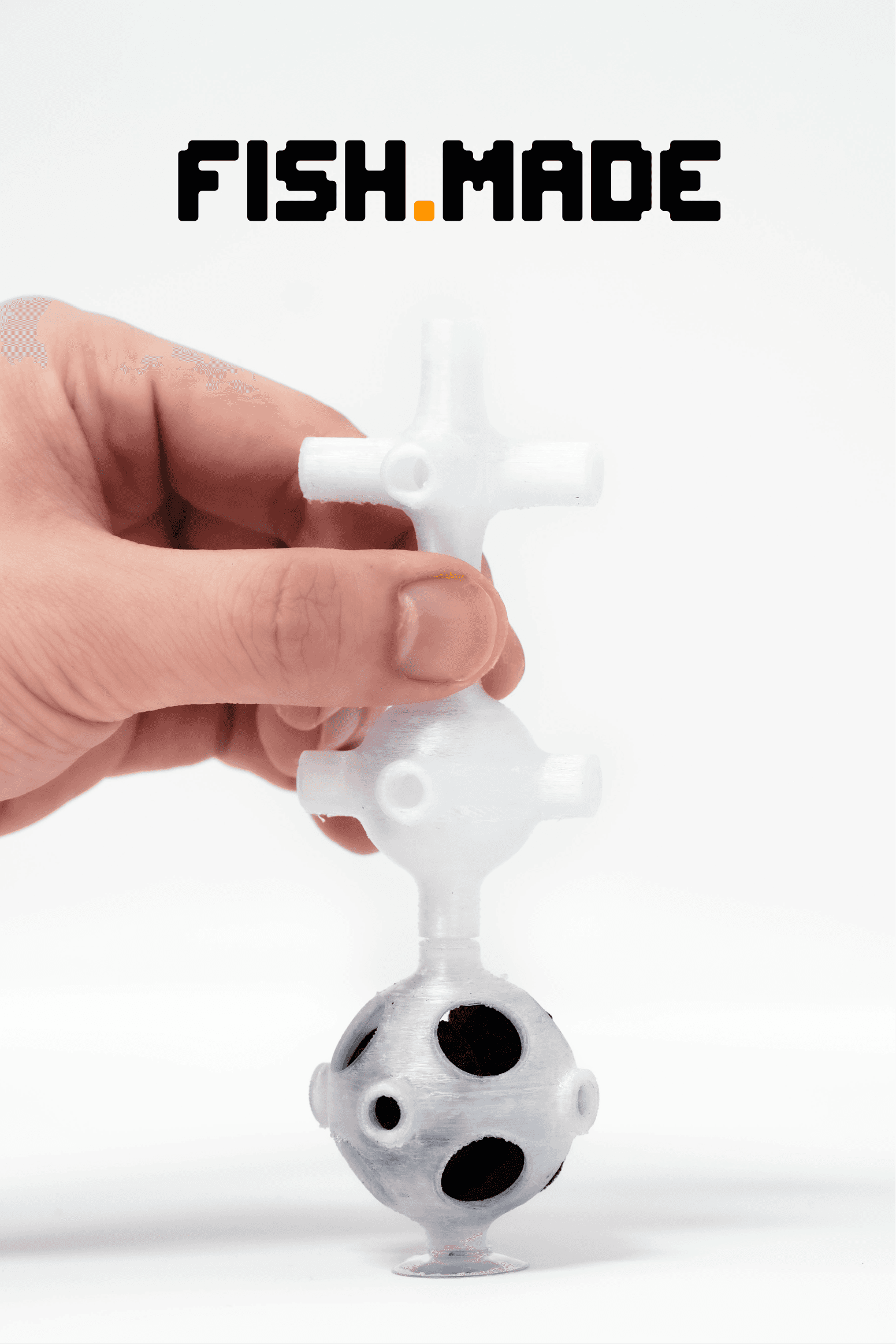
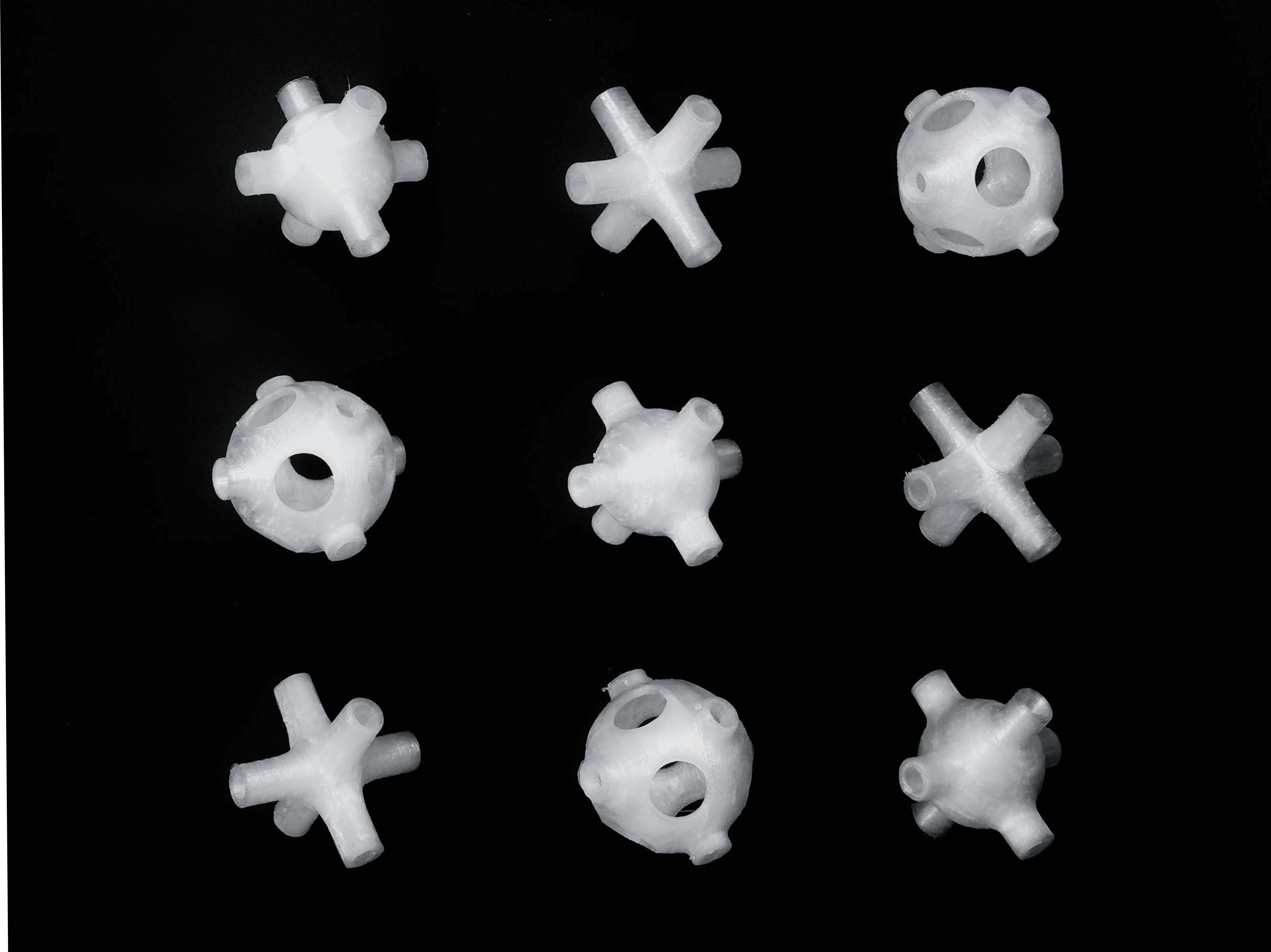
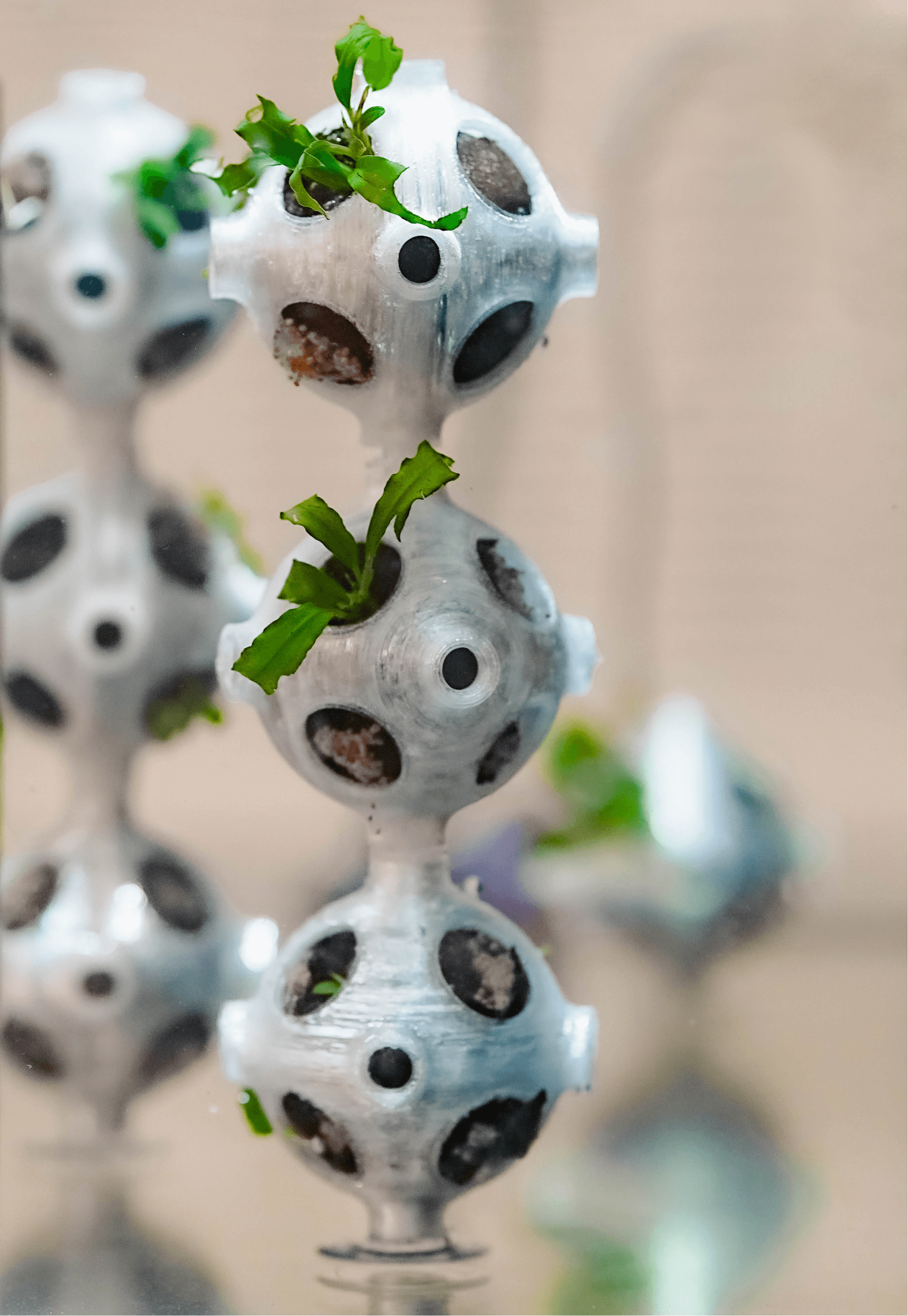
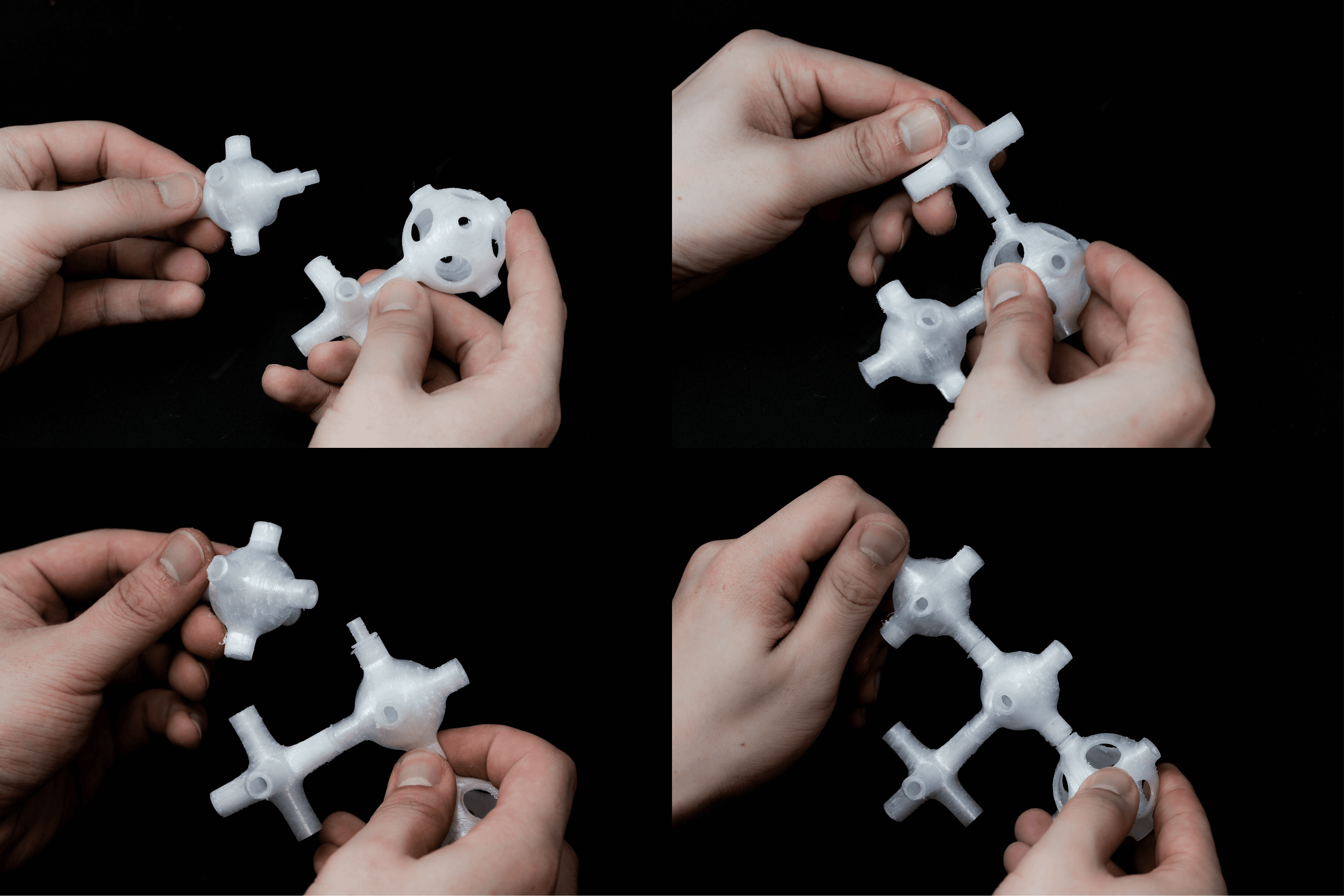
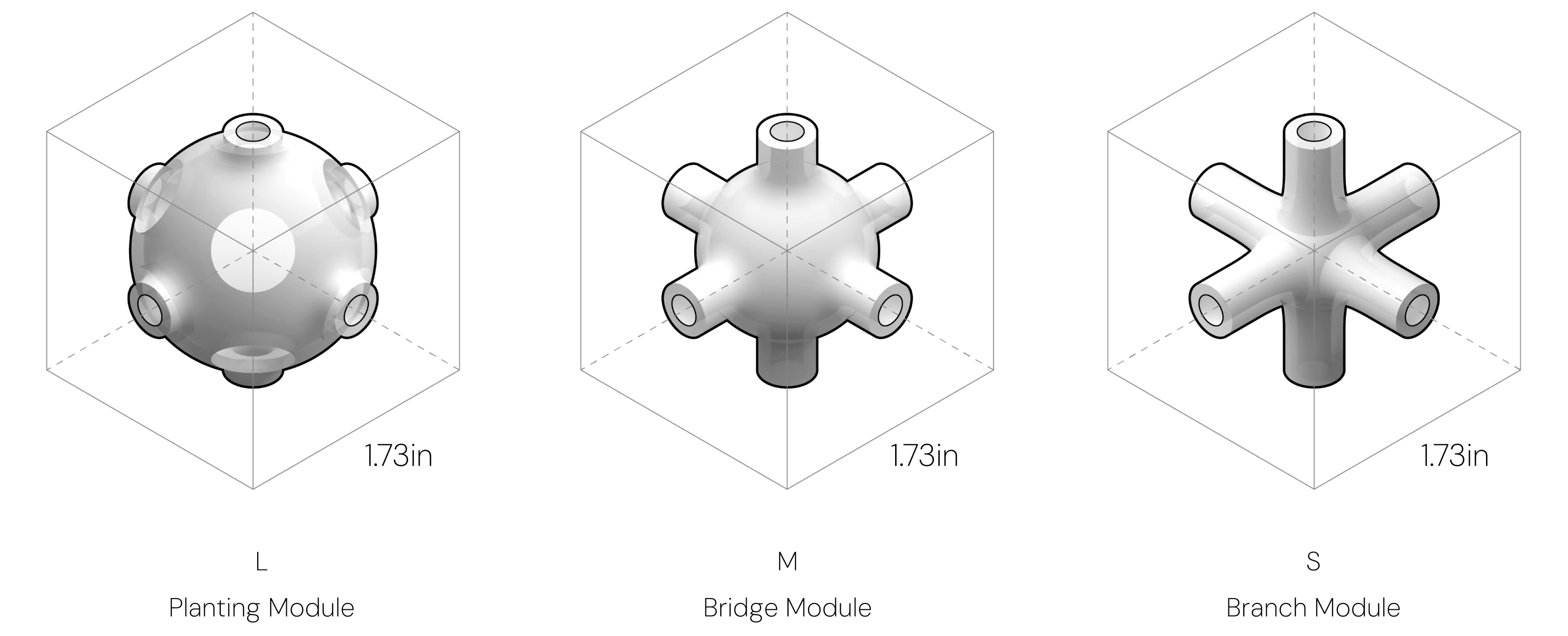
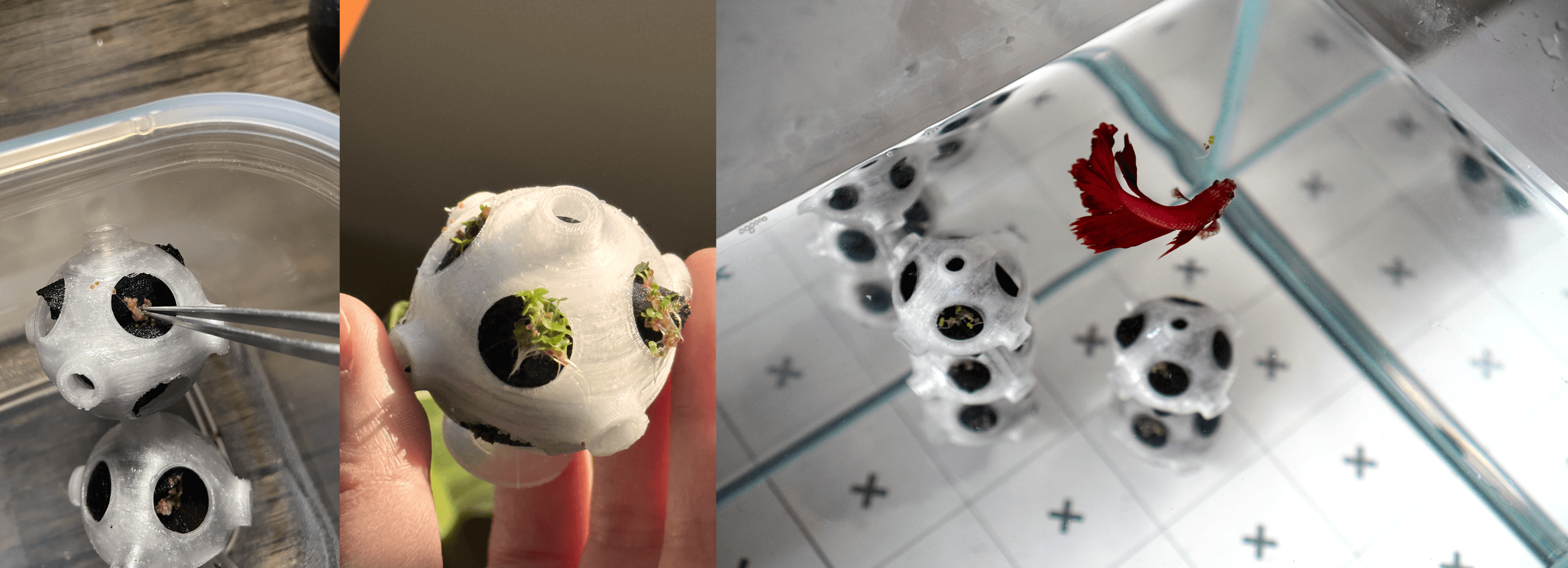
To make FishMade easier to use at home, we developed a modular habitat system.
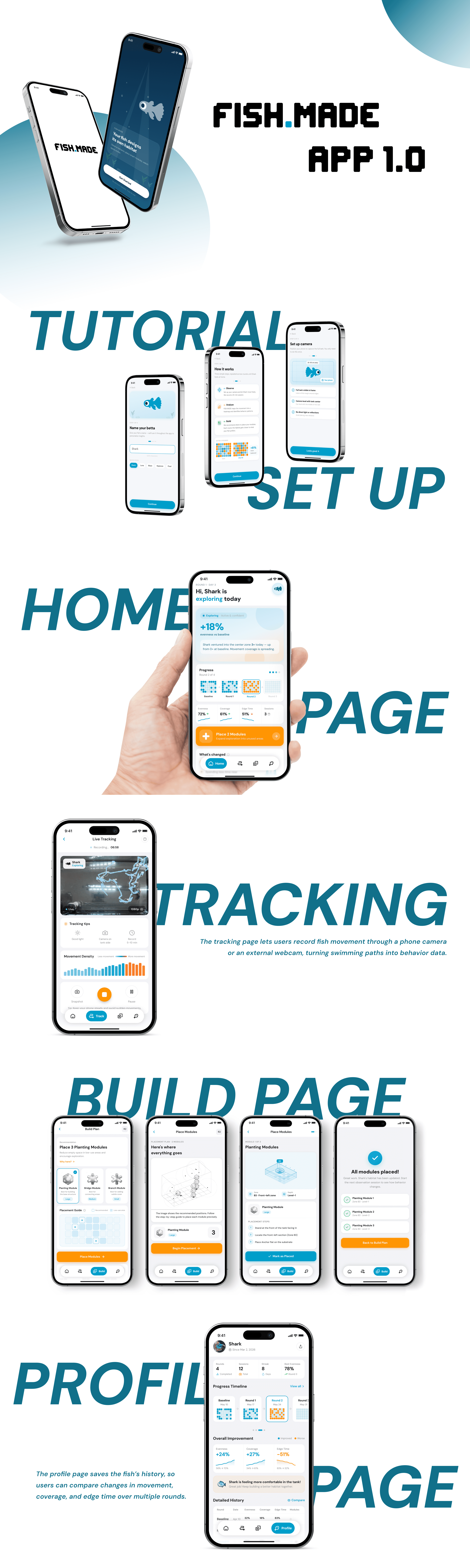
Instead of asking users to fabricate a completely new structure, FishMade suggests which modules to use, where to place them, and how they should connect with the existing habitat.
Over time, the tank evolves through repeated cycles of tracking, interpretation, and building.
The habitat is not designed all at once. It grows with the fish.
How it works ?
outcome